
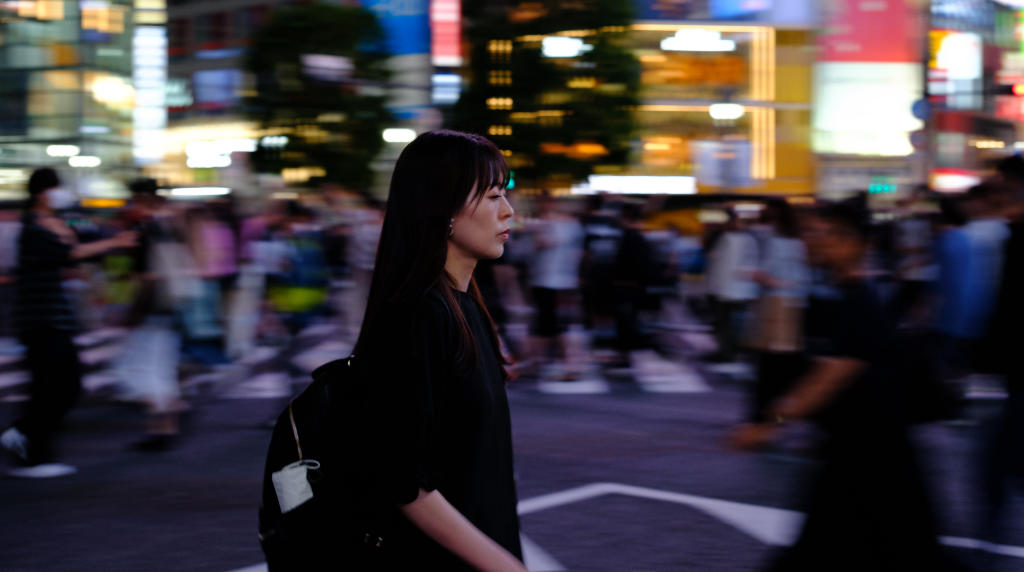
To arrive in Tokyo is to slip into a kind of alternate reality. It is a city that operates on a frequency of quiet anticipation, where automated kiosks resolve logistical obstacles and ancient temples sit undisturbed in the shadows of a modern city. The following article chronicles a five-day navigation through these urban differences. My journey moves from the sanctuary of Edo-period gardens to the neon-soaked alleys of Shinjuku and a barefoot walk through a sprawling digital art installation. Along the way, I discover the grace of Japanese hospitality, the electric choreography of a local baseball crowd, and the unexpected social utility of carrying a white plastic garbage bag as a defence against other tourists.
The Arrival
The flight from Sydney touched down in Tokyo at half past nine in the evening, offering my first introduction to the city's specific brand of quiet efficiency. Electronic, color-coded gates made the customs line remarkably easy to navigate once I took a brief moment to get my bearings.
My immediate priority was securing a Suica transit card. Without it, navigating the streets of Tokyo would be a challenge. I followed the signs, tapped through the straightforward English prompts at a machine, and loaded the card with 30,000 yen. In hindsight, 50,000 might have been a wiser investment. Armed with my pass, I handed a bilingual printout of my hotel’s address to the attendant at the taxi rank. Within seconds, I was ushered into a spotless cab and driven into the night.
Checking in at Hotel MyStays in Nippori set a tone for the trip. Conversation was entirely optional. Every question had been anticipated and answered in neat, pre-printed materials. The room itself was compact, but I knew that space in Tokyo is tightly rationed, that is unless you want to surrender a small fortune. Yet the design was a master of utility. I had a kitchenette, an air purifier, climate control, a massive television, and a bathroom equipped with the legendary Japanese washlet. That toilet, I quickly learned, was nothing short of a game changer.
Day 1: Sanctuary and then some Neon
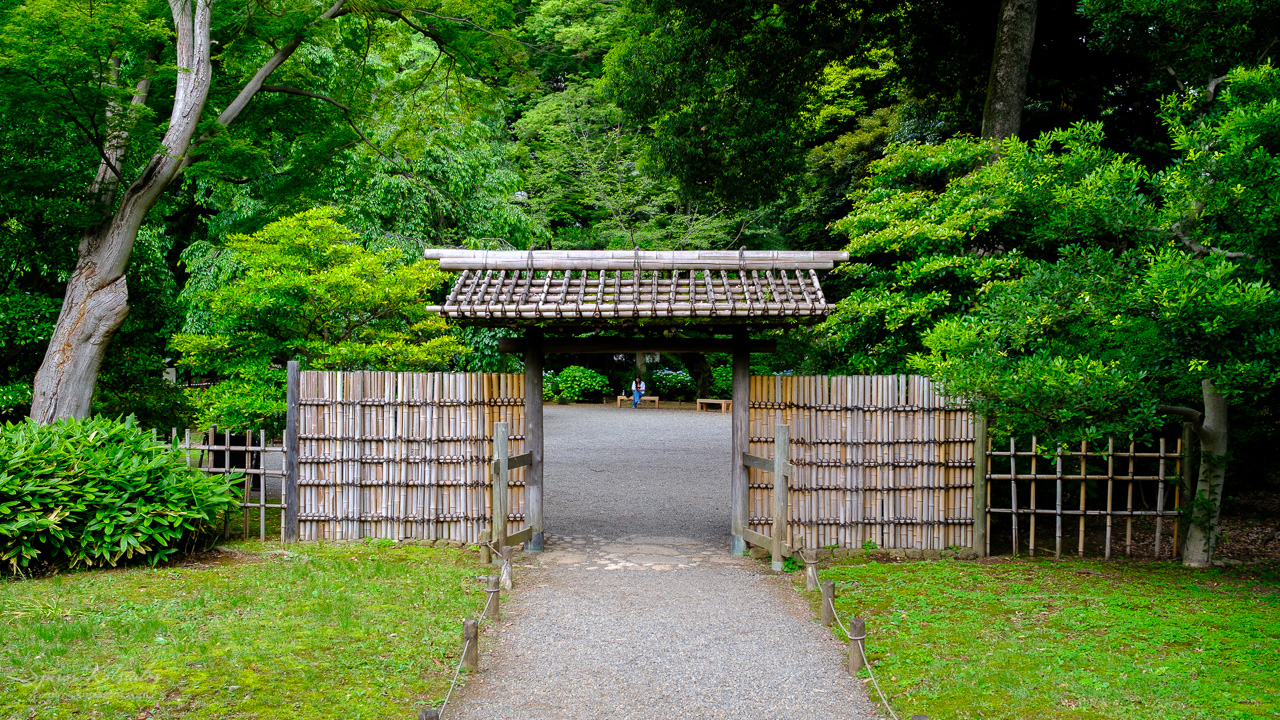
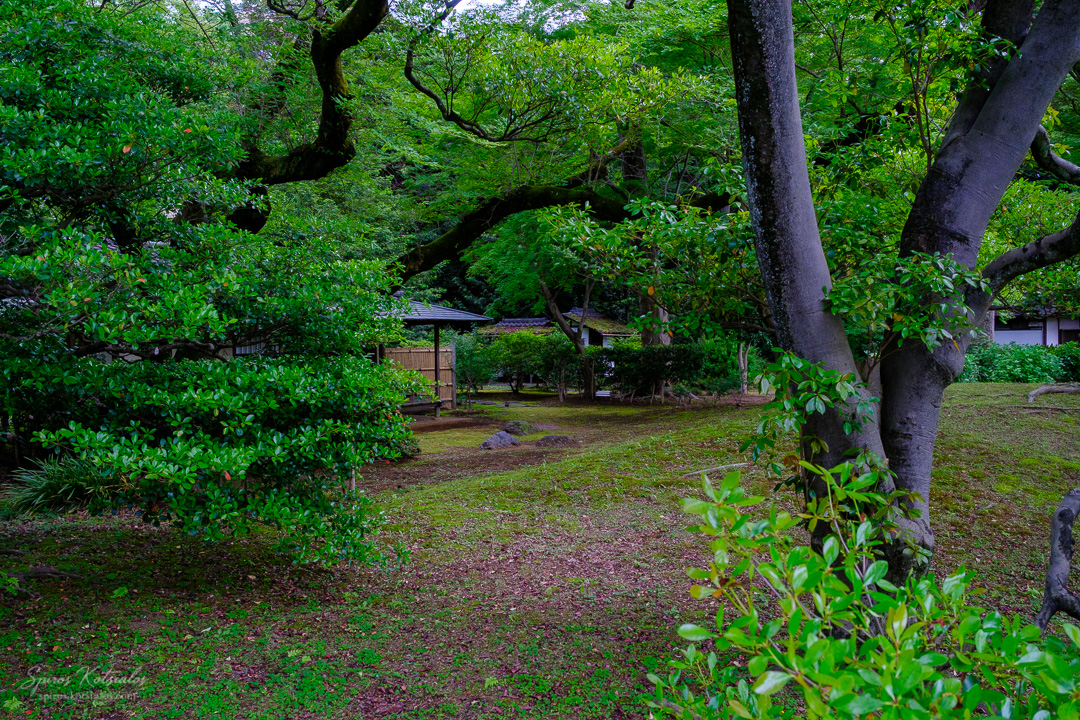
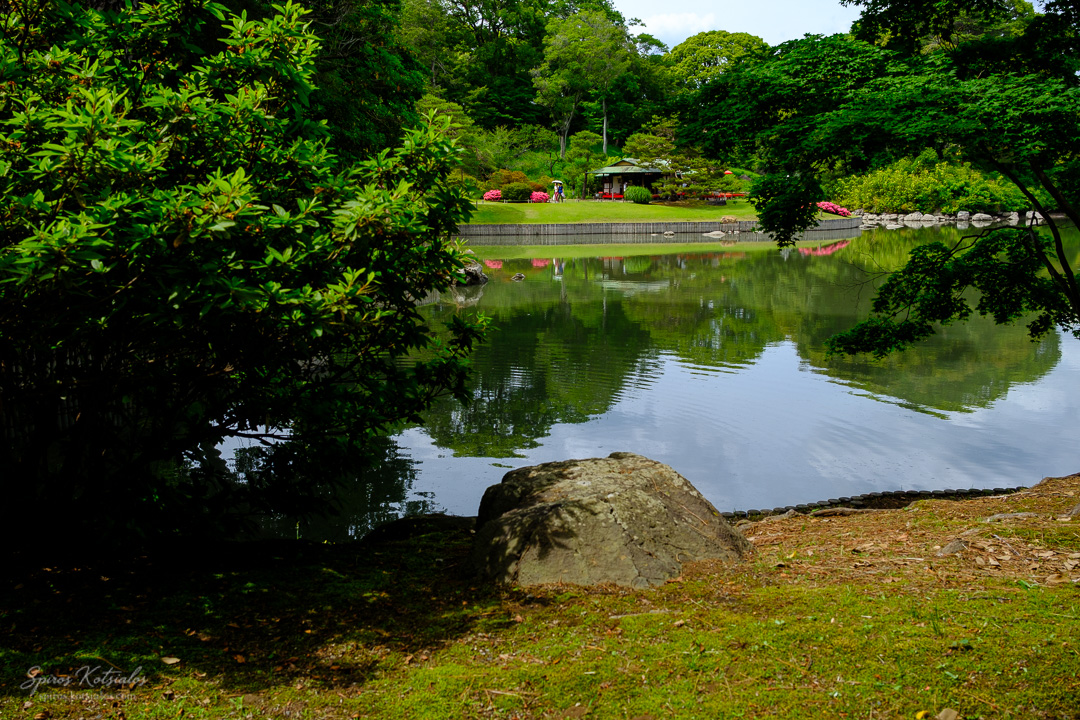
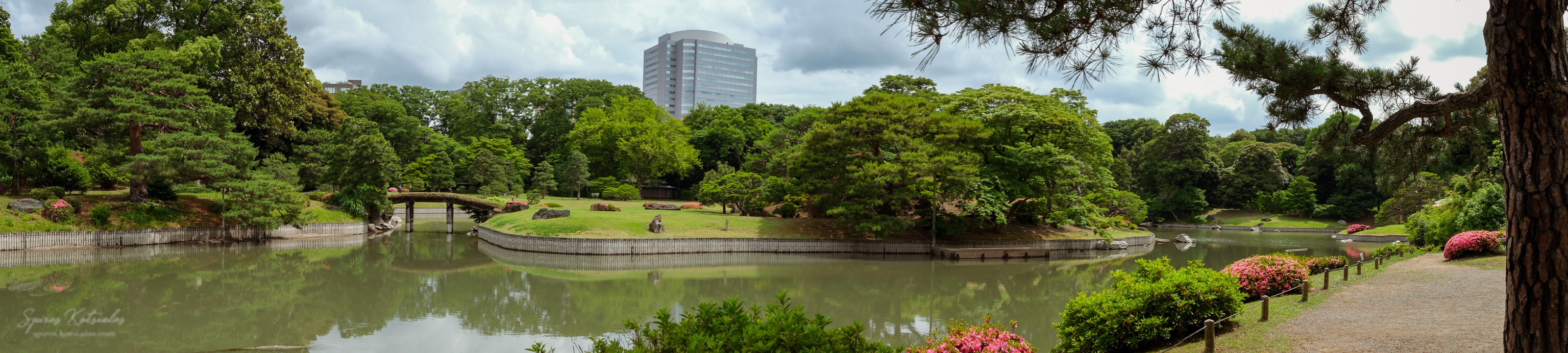
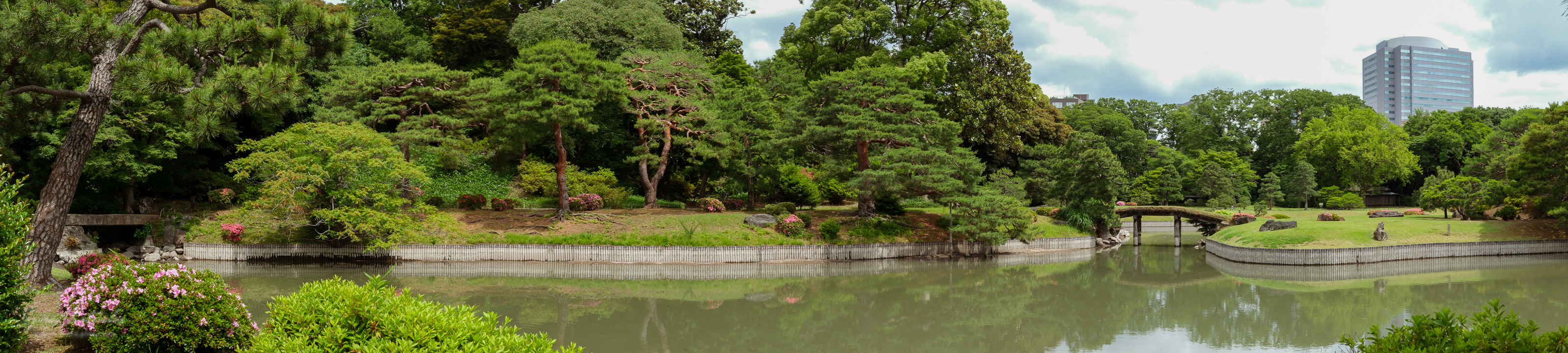
I began my first full day with a short train ride to Rikugien Gardens in the Honkomagome area of Tokyo's Bunkyo Ward.
Rikugien is a classic kaiyu-shiki-teien, a traditional Edo-period strolling garden constructed around 1700 for the fifth Tokugawa Shogun, Tsunayoshi. Stepping inside is a contrasting but welcome transition from the city around me. One minute you are navigating the concrete of the city, and the next you are enclosed in total sanctuary. Only the distant skyscrapers peeking over the tree lines hinted that a city of fourteen million people lay just beyond the walls. The visitors, mostly locals, moved at a deliberate, peaceful pace.
==INSERT GALLERY's HERE C:\local\github\genxtoday\content\galleries\tokyo_1_gardens
Riding the train back, I was struck by the commitment to meiwaku, the cultural requisite of not being a nuisance to others. Passengers instinctively parted to allow people off the carriages. The ride was quiet, everyone was patient, and the streets outside were very well maintained. Walking through the city, I felt comfortably invisible. The locals mostly ignored my presence, granting me a feeling of anonymity.
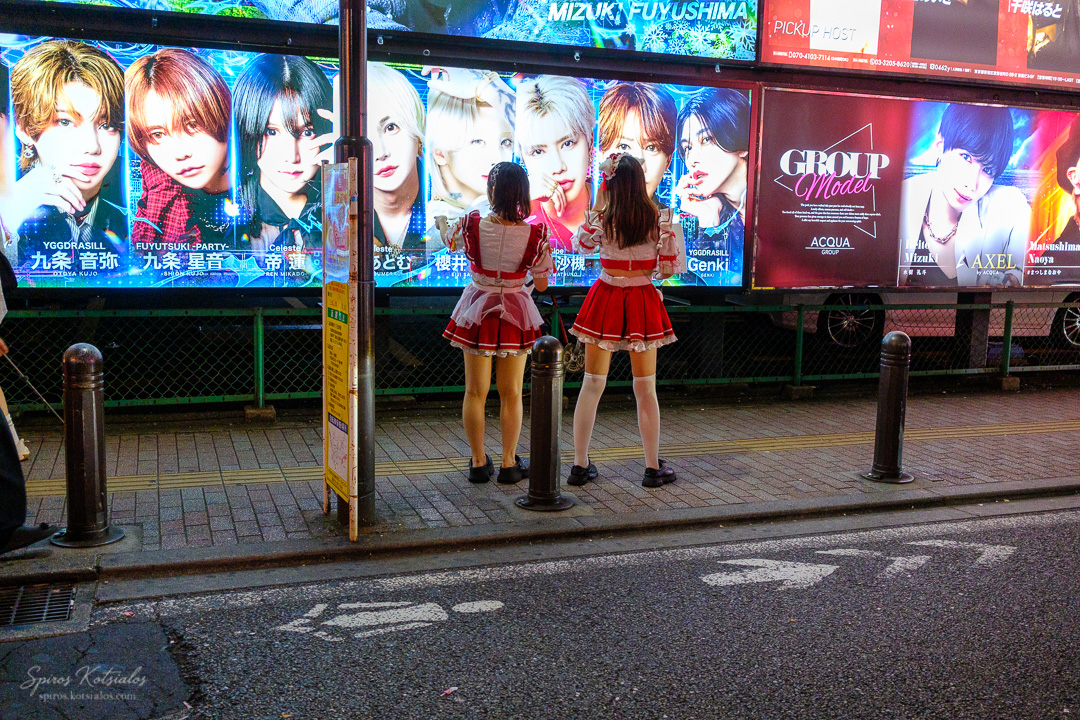
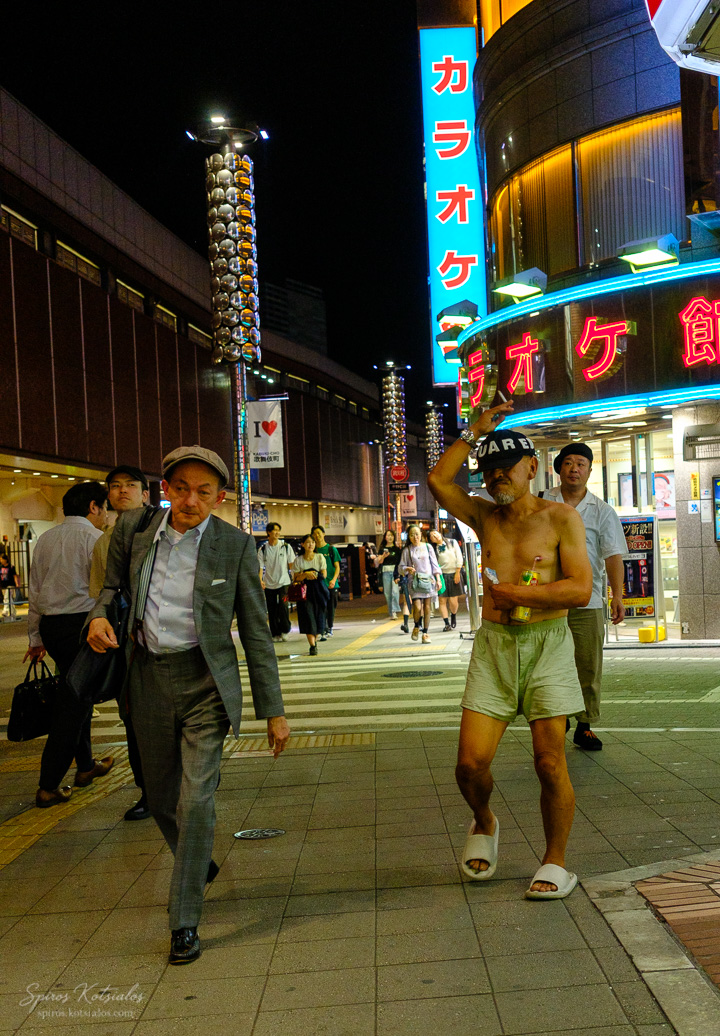
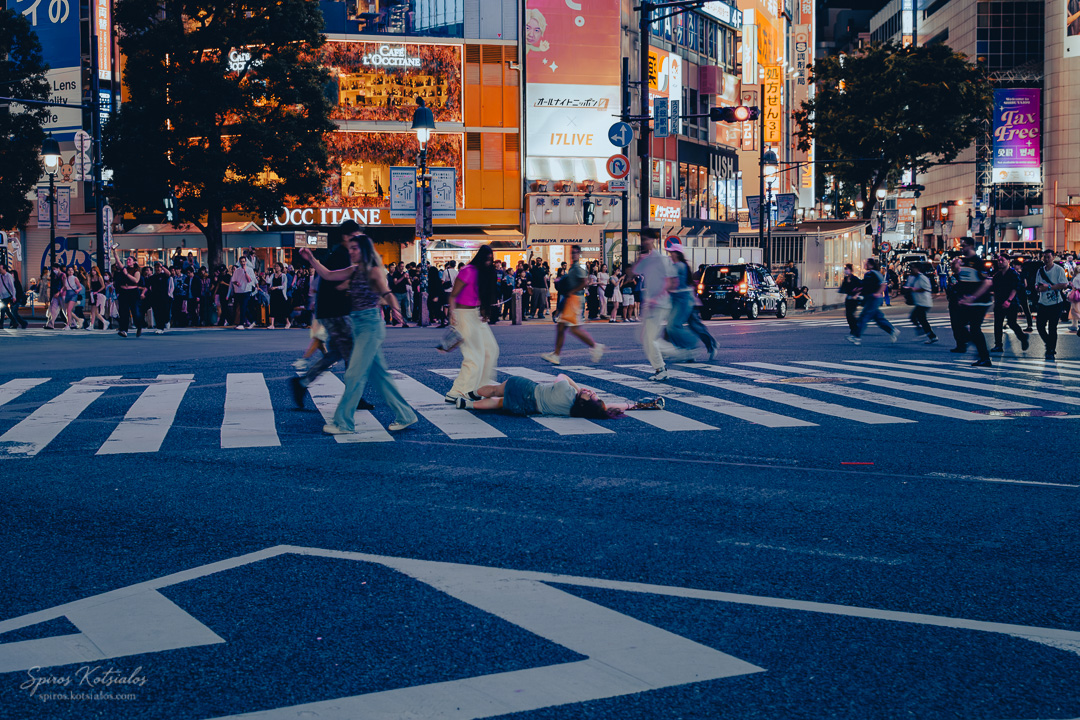
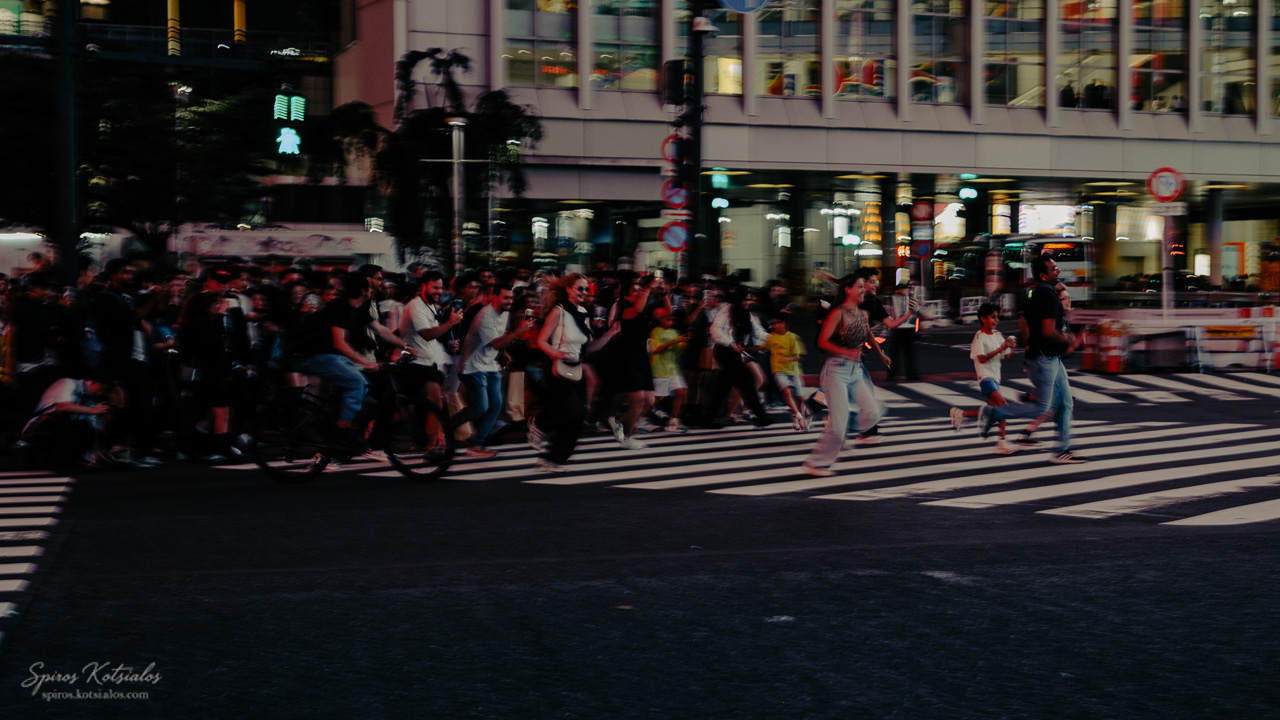
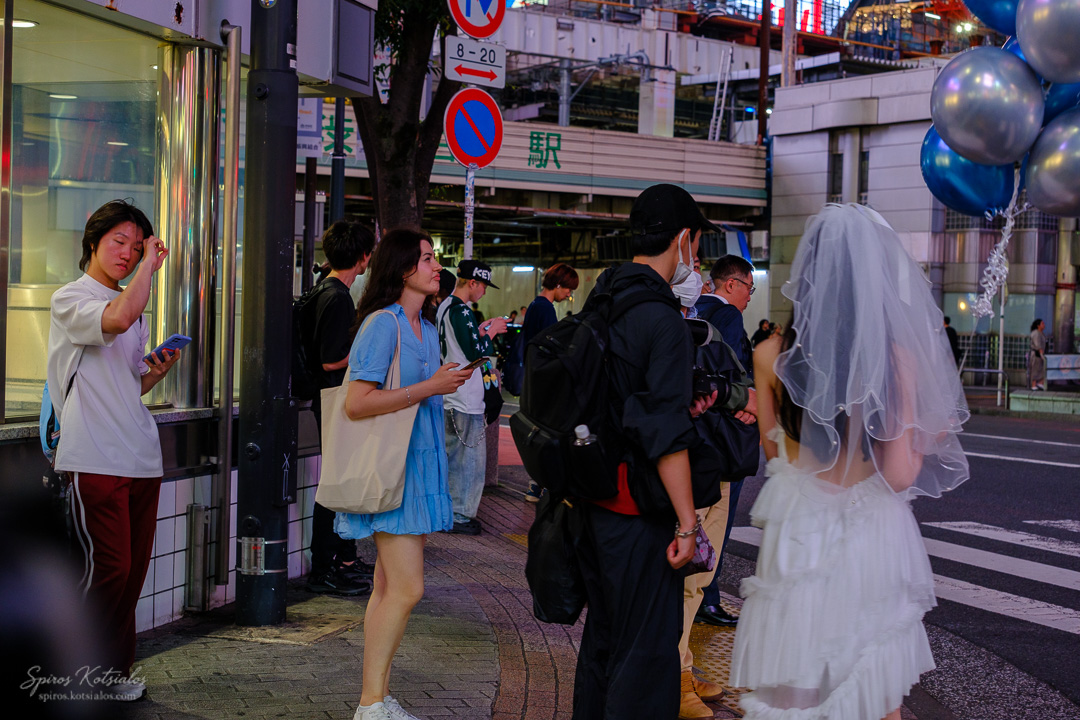
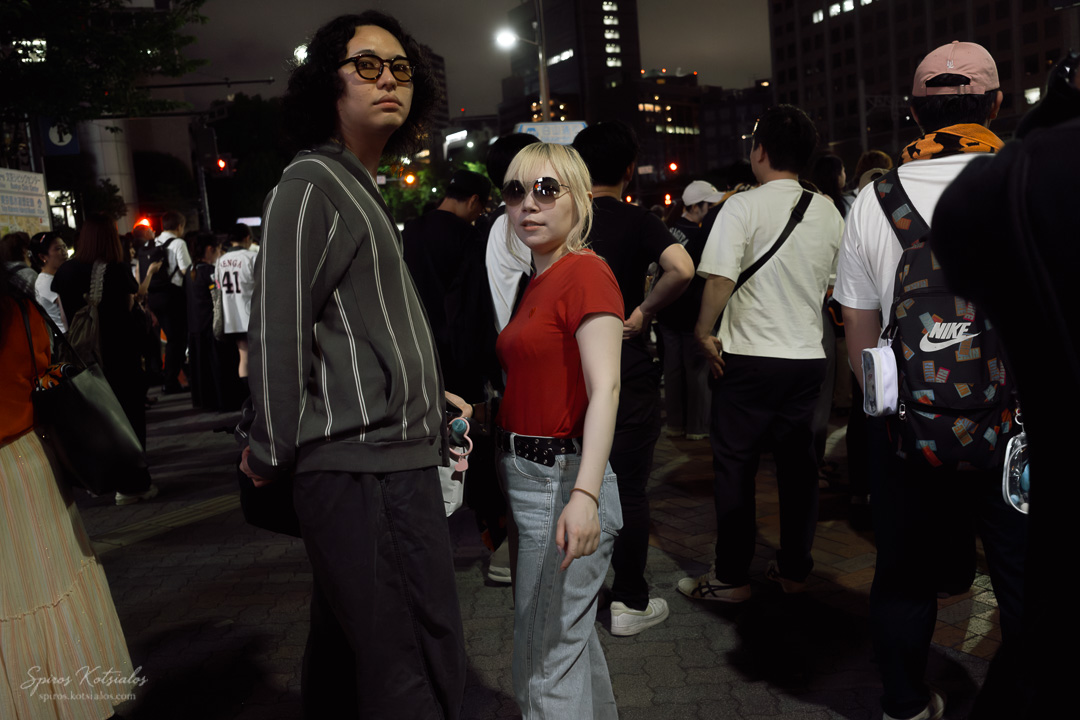
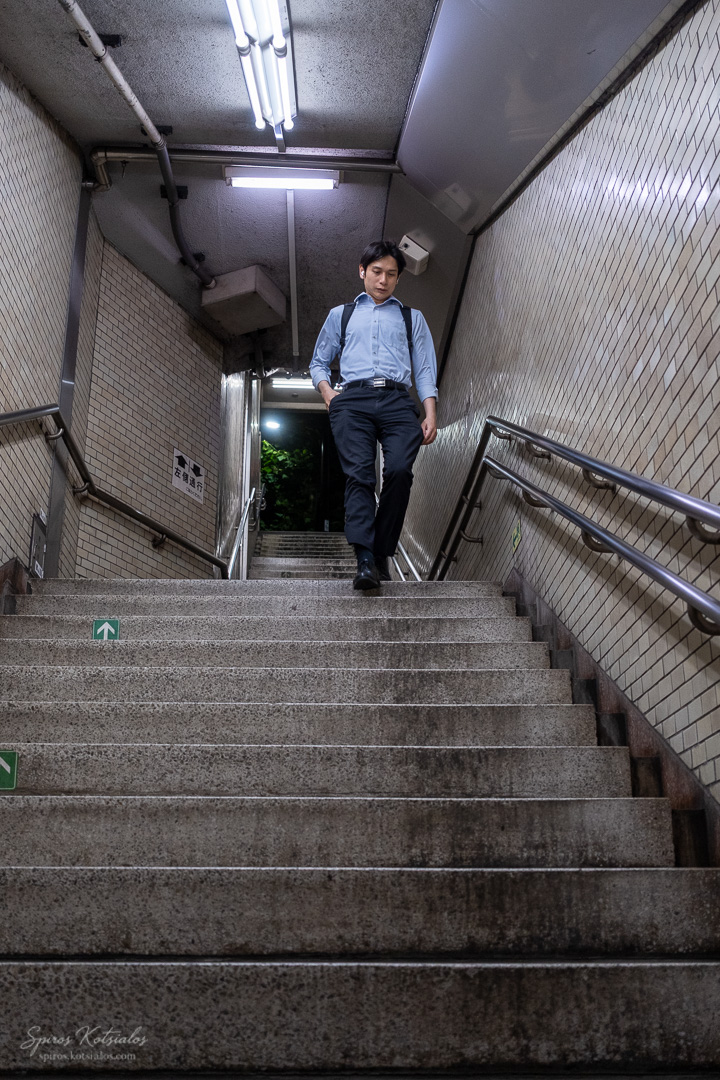
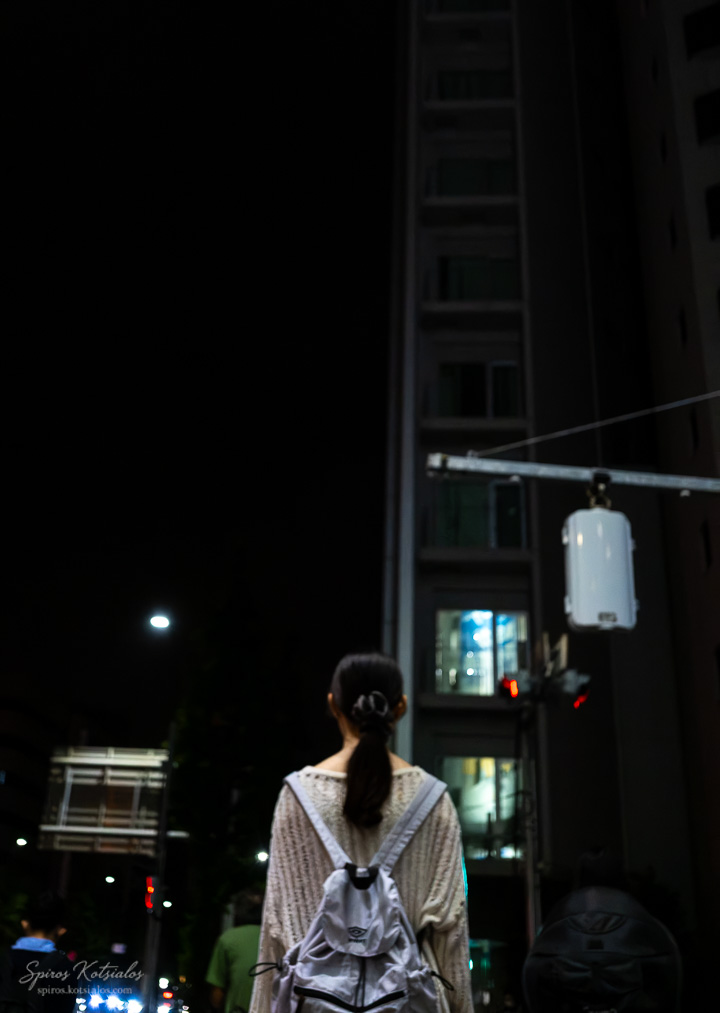
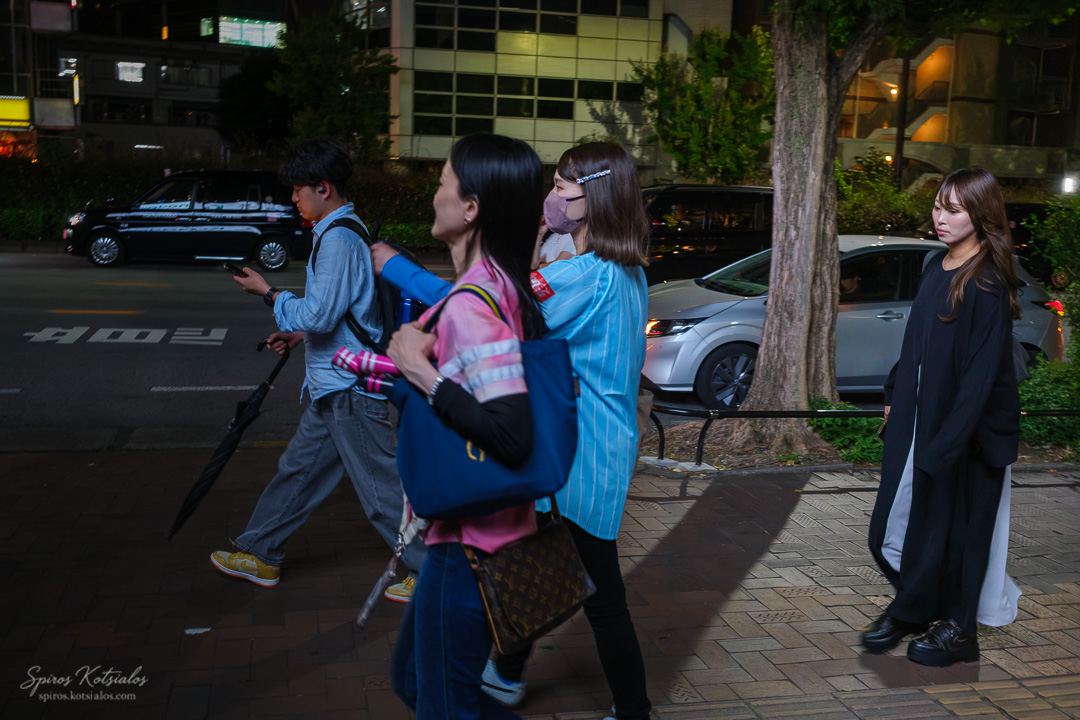
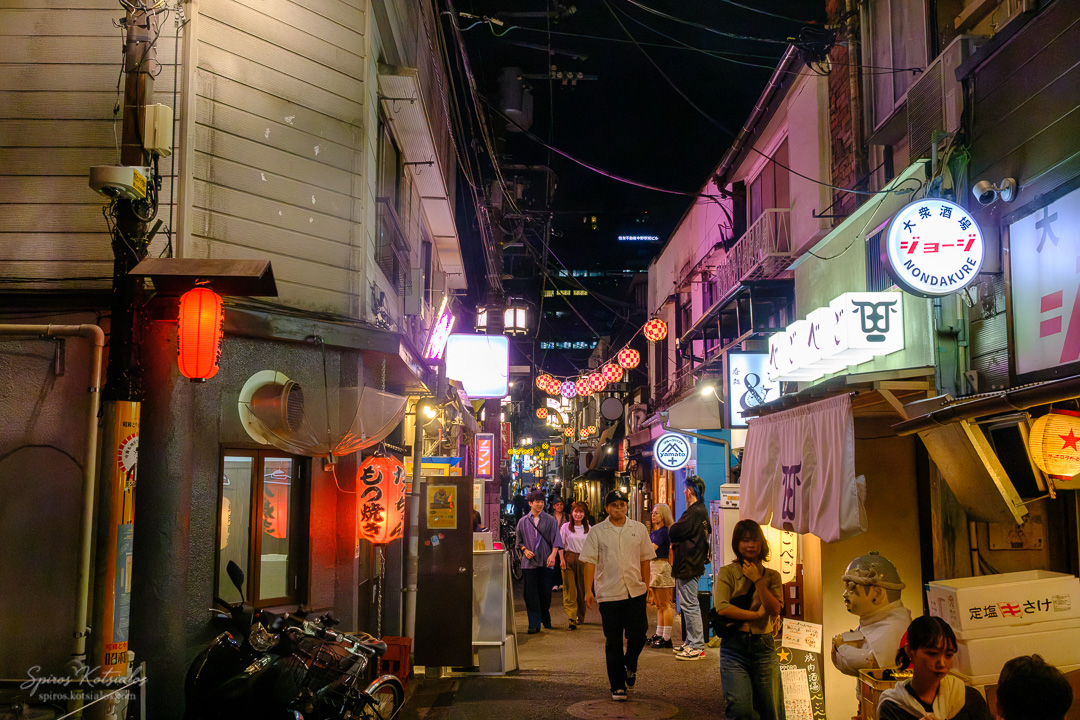
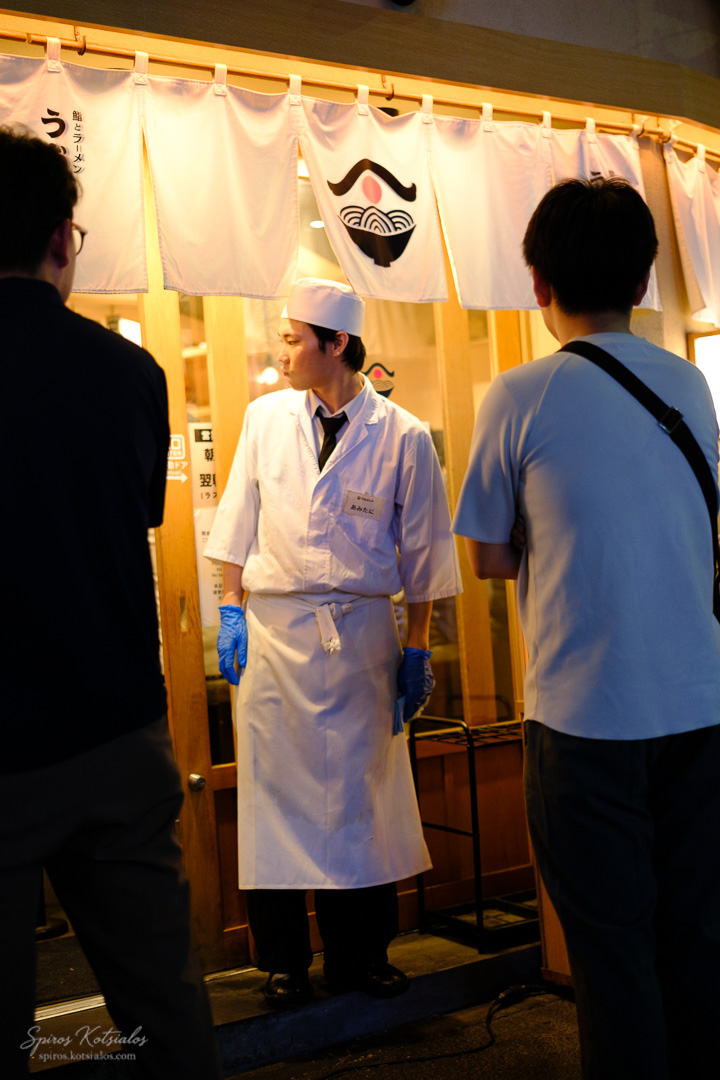
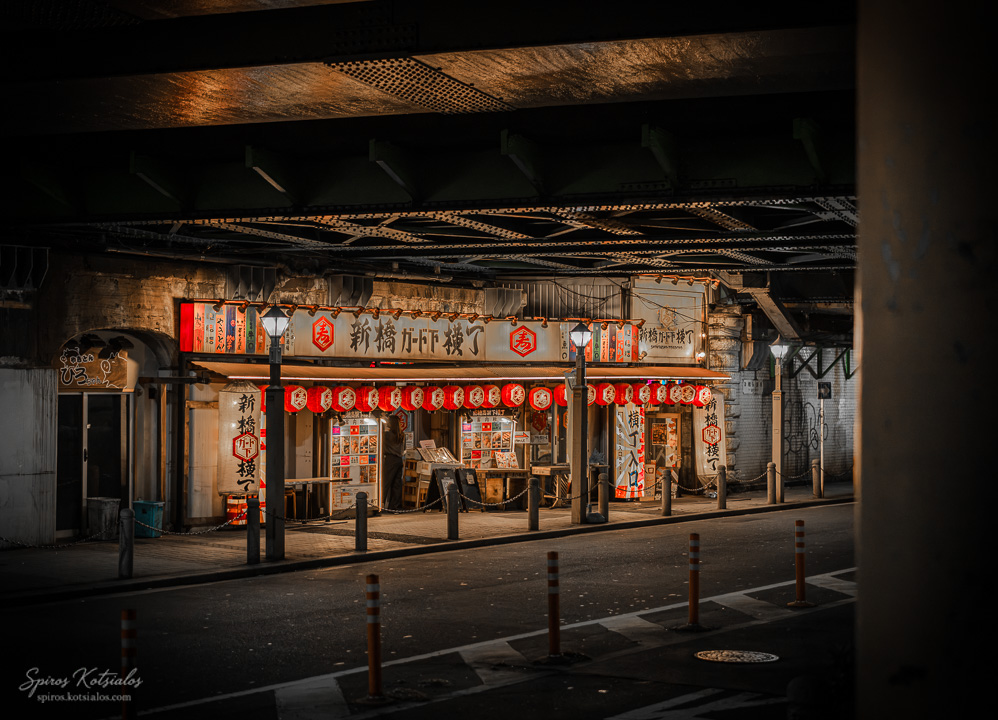
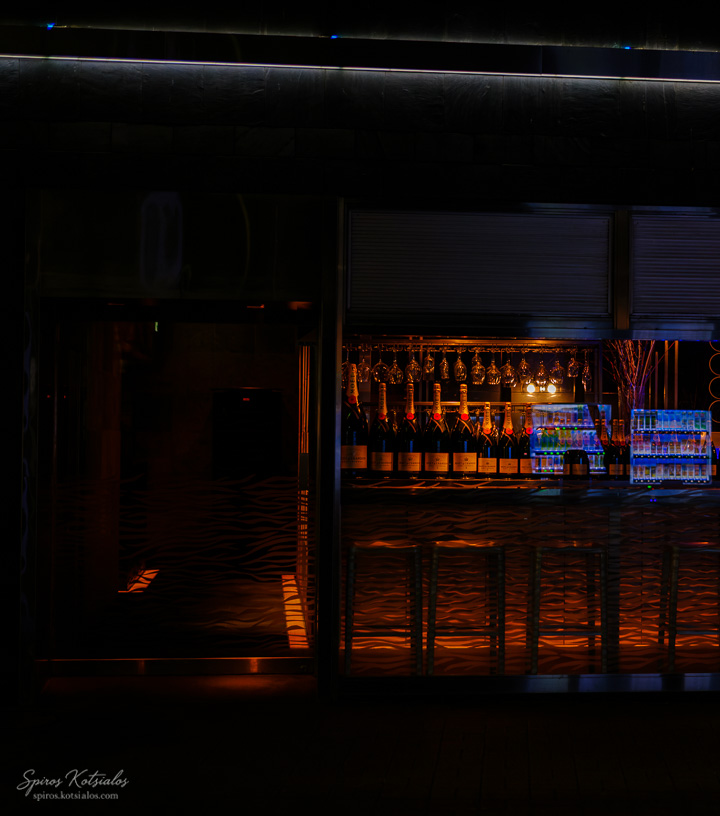
That evening, I booked a photography workshop in the neon-soaked red-light district of Shinjuku. I was fortunate to be the only student to show up so was lucky to have a private masterclass. My guide had an expert rhythm, knowing exactly when to linger for a shot and when to keep moving through the crowds. The nightlife was intoxicating. I could have spent the entire night capturing the chaotic energy of a Tokyo Wednesday.
Day 2: Marketplaces and the White Bag
Mid-morning I took the train to Ueno to explore the markets. The variety was eye-opening. I wandered through Ameya-Yokocho, an open-air marketplace that evolved from a post-war black market into bustling streets of fresh seafood, cosmetics, and street food.
I also explored Nakamise-dori in Asakusa, a historic 250-meter street leading to Senso-ji Temple packed with traditional crafts and ningyo-yaki sweet cakes. Nearby was Kappabashi, the so-called Kitchen Town, which supplies the restaurant industry with professional knives and those hyper-realistic plastic food replicas you see in restaurant windows. Although I did not succumb to the many items on sale, I did buy several Uniqlo AIRism t-shirts. These proved to be an absolute necessity for the heat of Tokyo, even if deciphering the local sizing differences required some trial and error.
The evening's agenda was baseball at the Tokyo Dome. The twenty-five-minute train ride was filled with fans wrapped in the orange and black merchandise of the home team, the Yomiuri Giants. Wanting to blend in, I bought a branded towel before entering the stadium. I later realised they give them away for free at the gate, and the one I purchased belonged to a pitcher who never even took the mound.
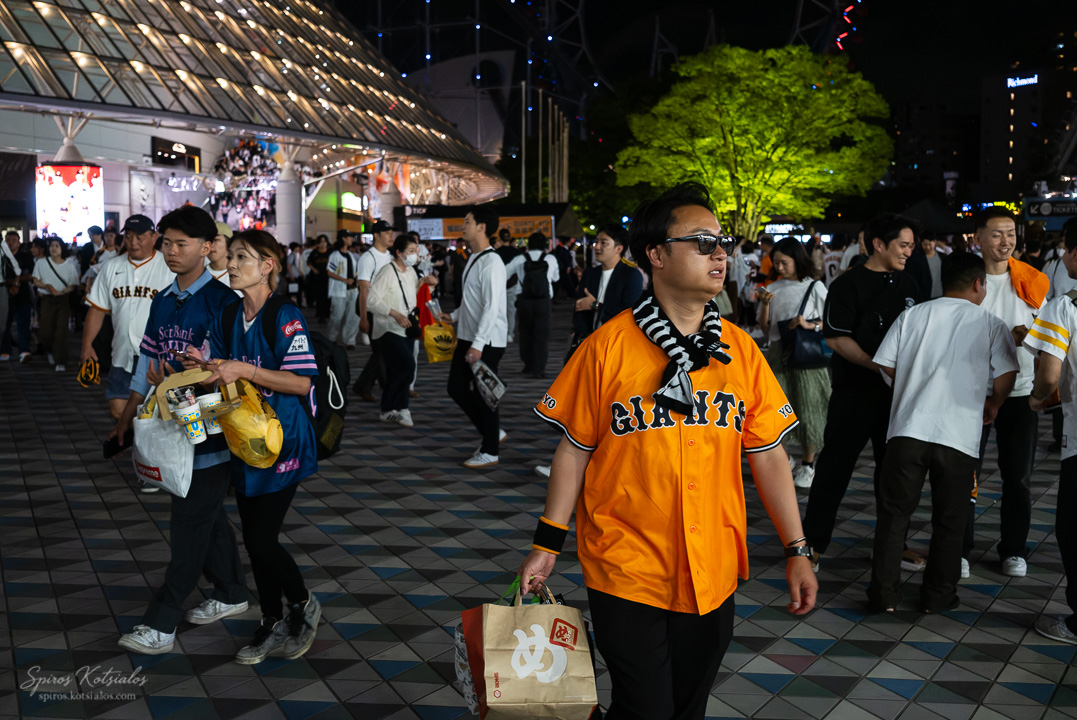
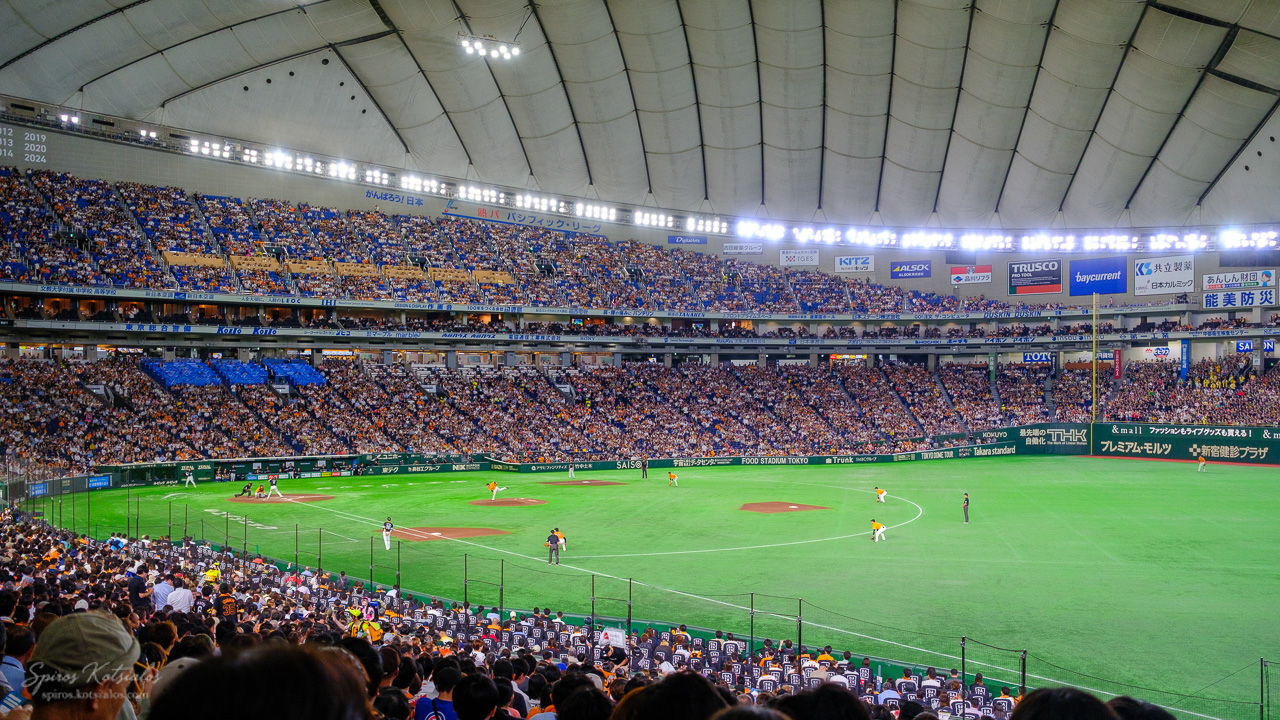
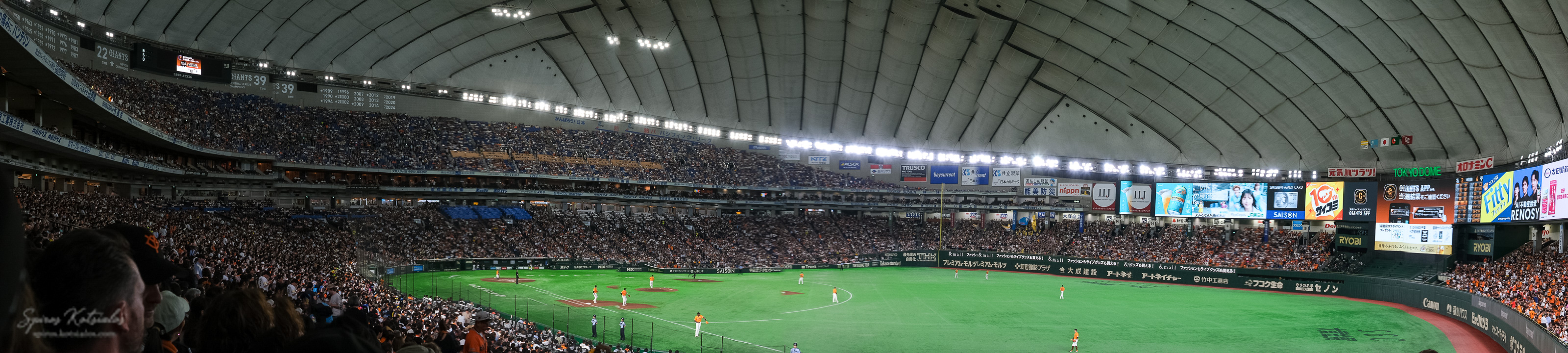
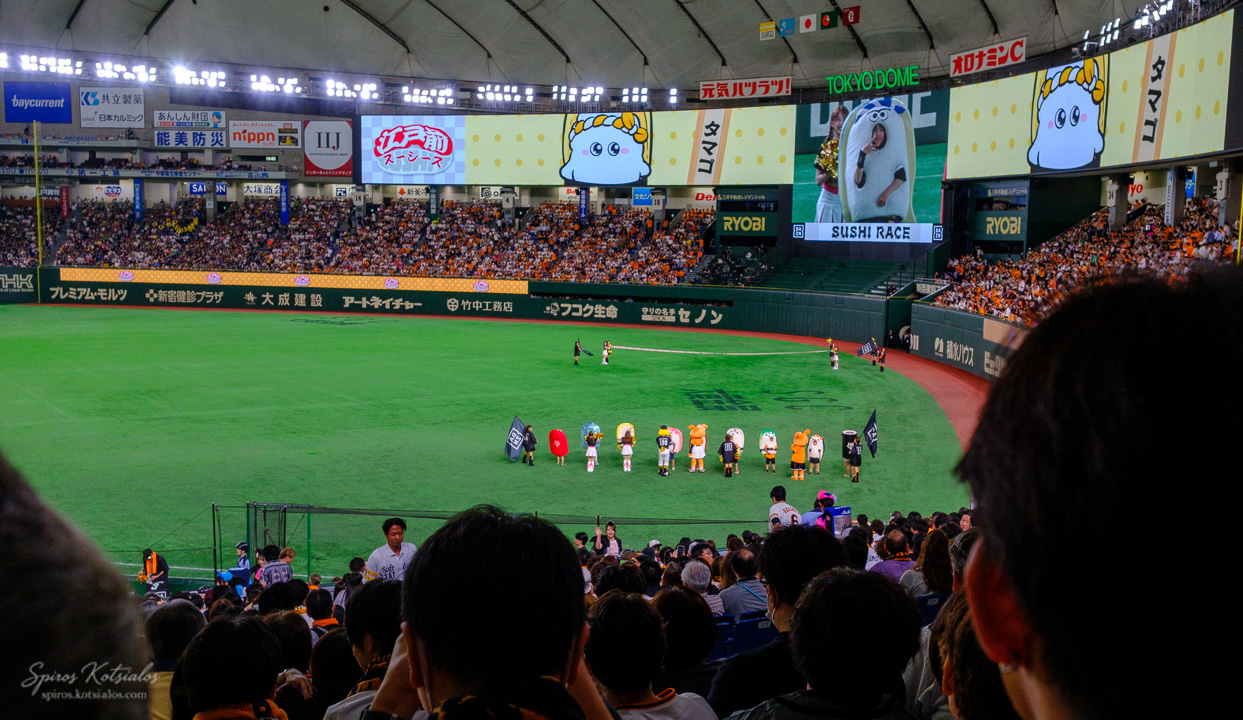
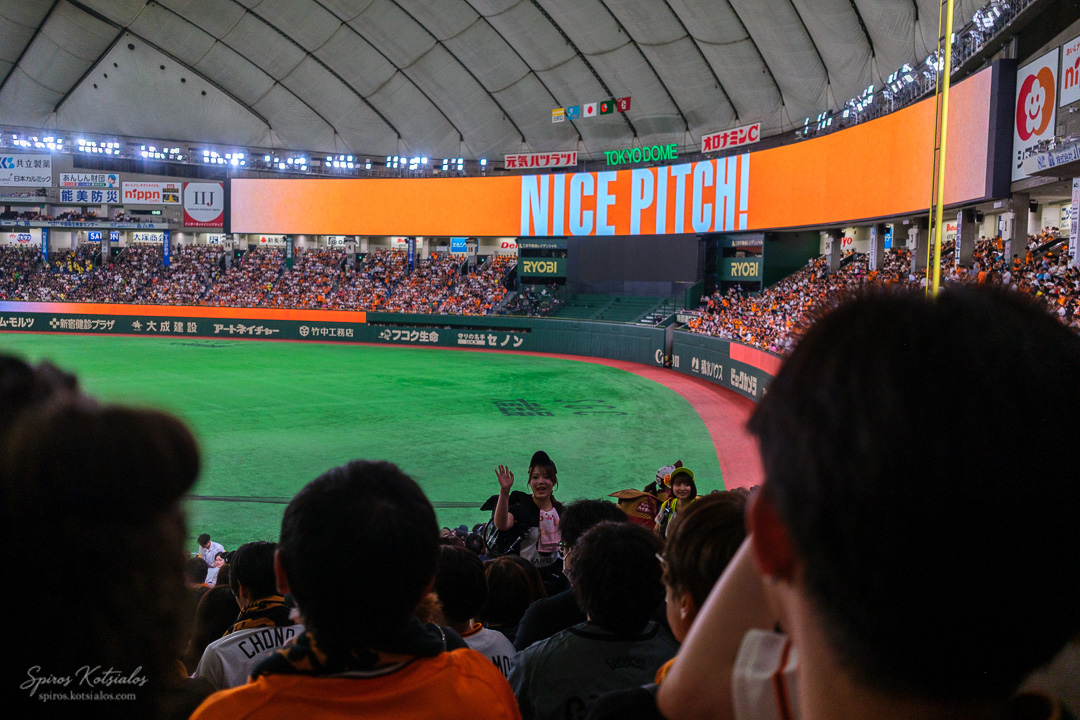
The stadium atmosphere was electric. The Japanese crowd had a choreographed chant and a physical action for every pitch. Whenever a hit was made, the entire stadium erupted, swinging those team towels around their heads in a tradition known as taoru mashi. Sellers marched up and down the aisles serving high-quality food and an impressive amount of alcohol. Yet the local fans held their drink very well, letting it fuel the joy of the game rather than ruin it.
The same could not be said for a row of Australians seated directly in front of me. They appeared to be professionals in their thirties, but they had clearly skipped any reading on local customs. When they left the game, they simply left their empty cups and food wrappers. In Japan, you carry your trash with you until you find a bin. The surrounding locals were horrified, pointing and taking photographs of the scene left behind. As the only remaining foreigner in the section, I considered cleaning up their mess myself and would of if I had the ability to get all the rubbish. For the rest of the trip, I carried a white plastic garbage bag with me everywhere just in case.
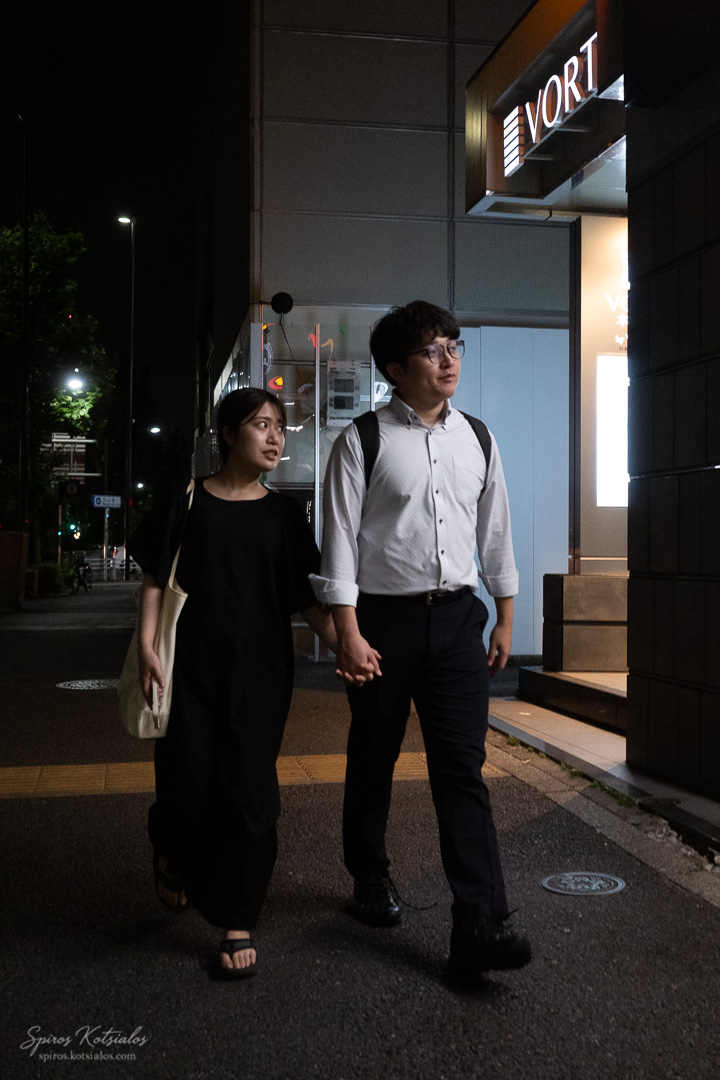
The Giants lost, but the mood outside the stadium remained cheerful. I spent the next hour walking the dark, narrow streets around Suidobashi. Despite the late hour and the quiet alleys, I felt a profound sense of safety.
Day 3: Time and Timepieces
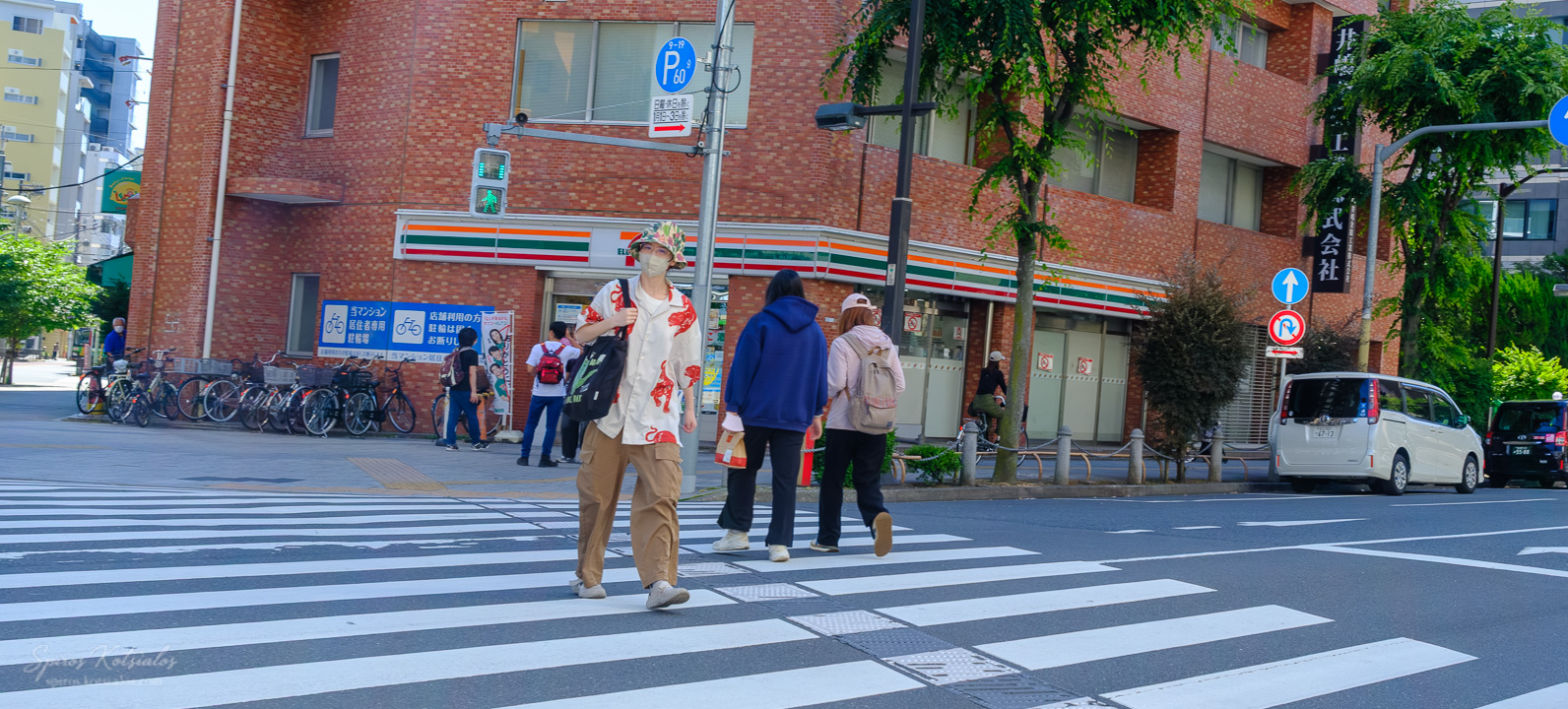
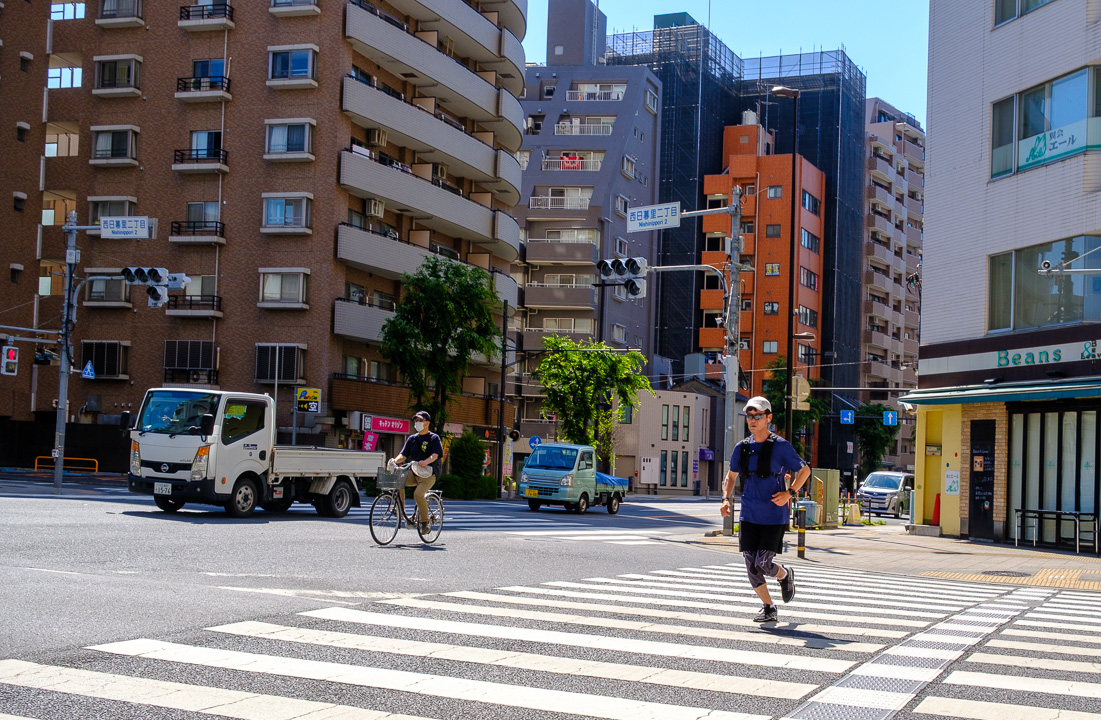
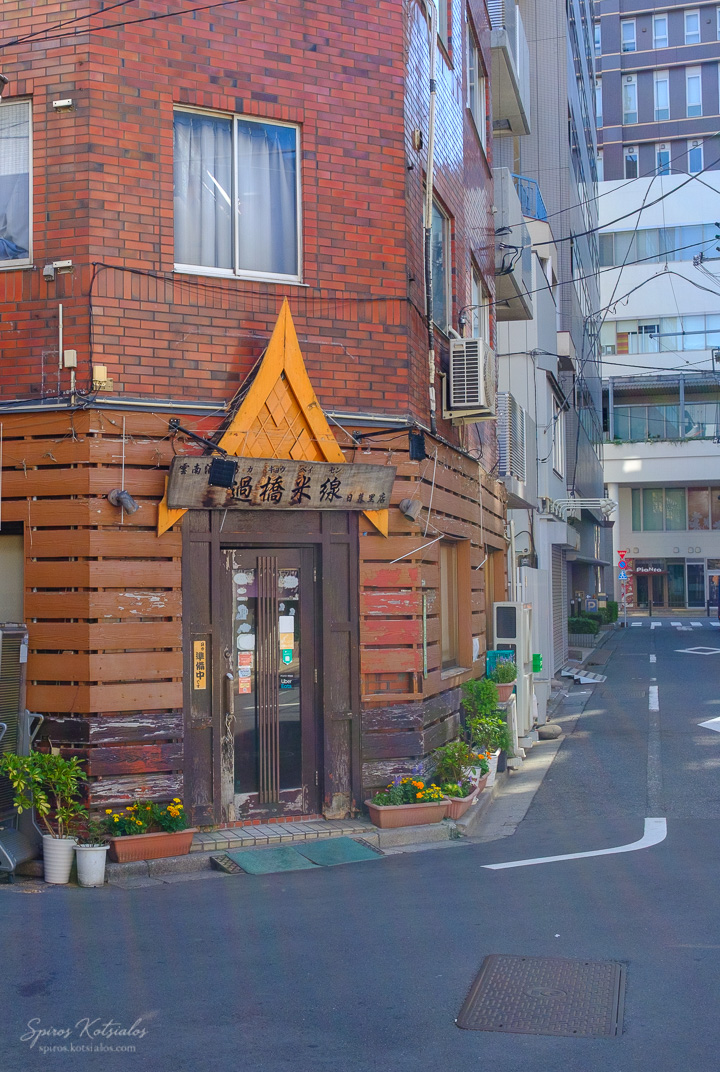
Day 3 began a bit too early. I left the hotel at 7:30 AM to walk to Yanaka Ginza, a famous pedestrian shopping street. I had hoped to watch the vendors set up for the day, but I was hours premature. Instead, I roamed the surrounding Sendagi neighborhood. This area is famous for its Yanesen vibe, a rare pocket of Tokyo that survived both the Great Kanto Earthquake and the firebombing of World War II.
==INSERT GALLERY's HERE C:\local\github\genxtoday\content\galleries\tokyo_3_market
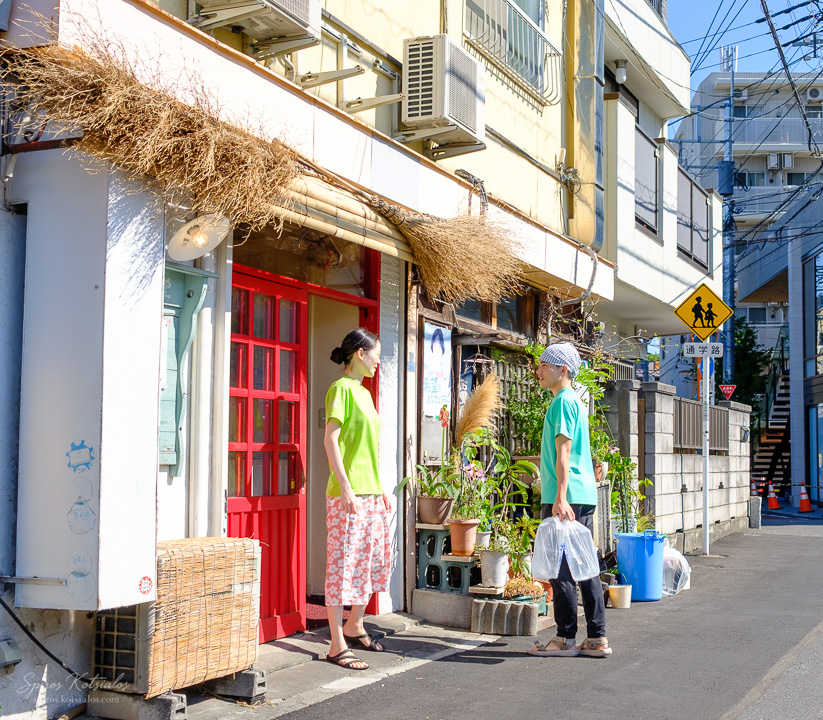
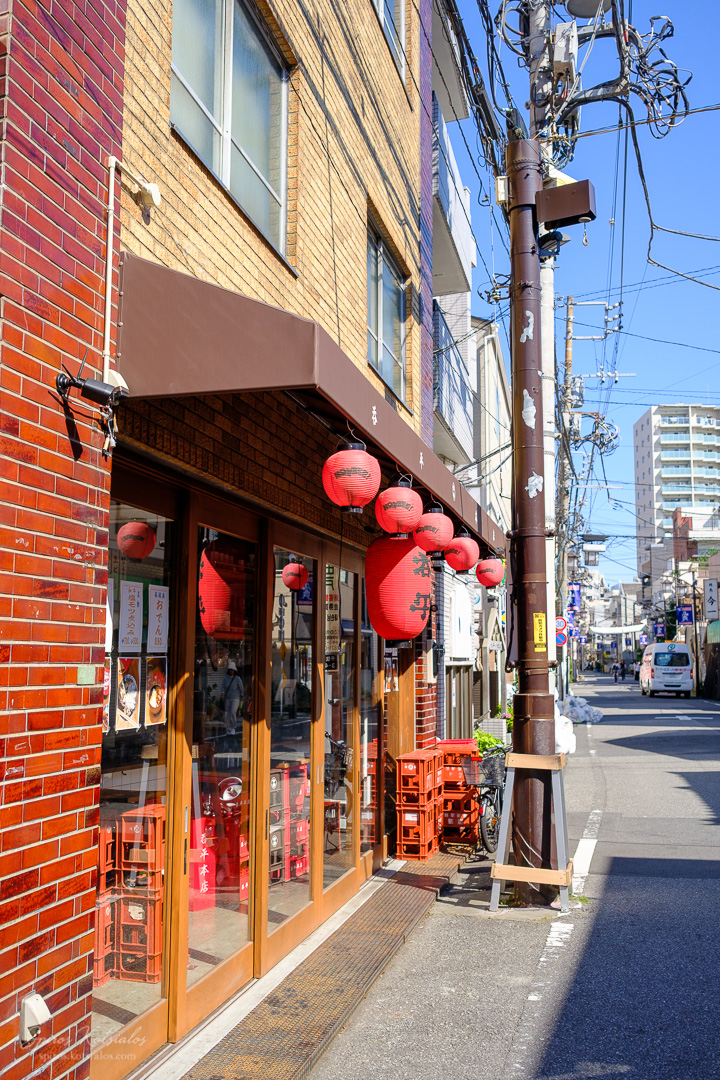
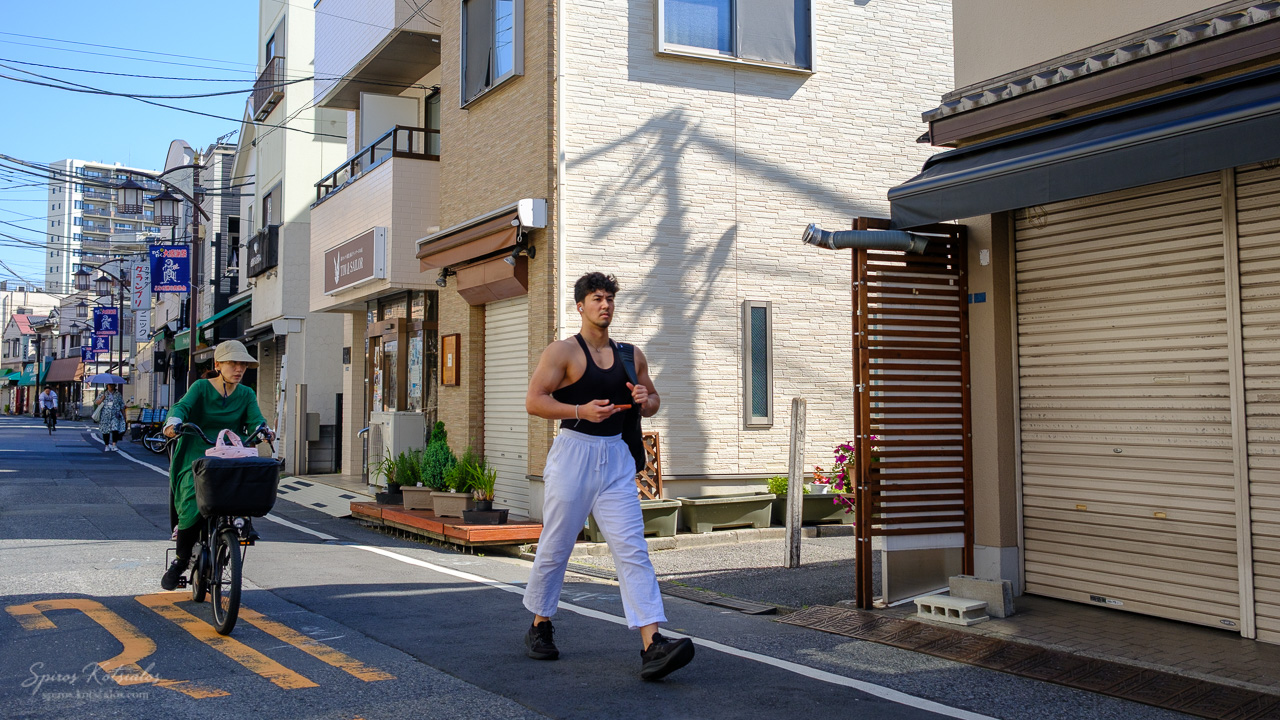
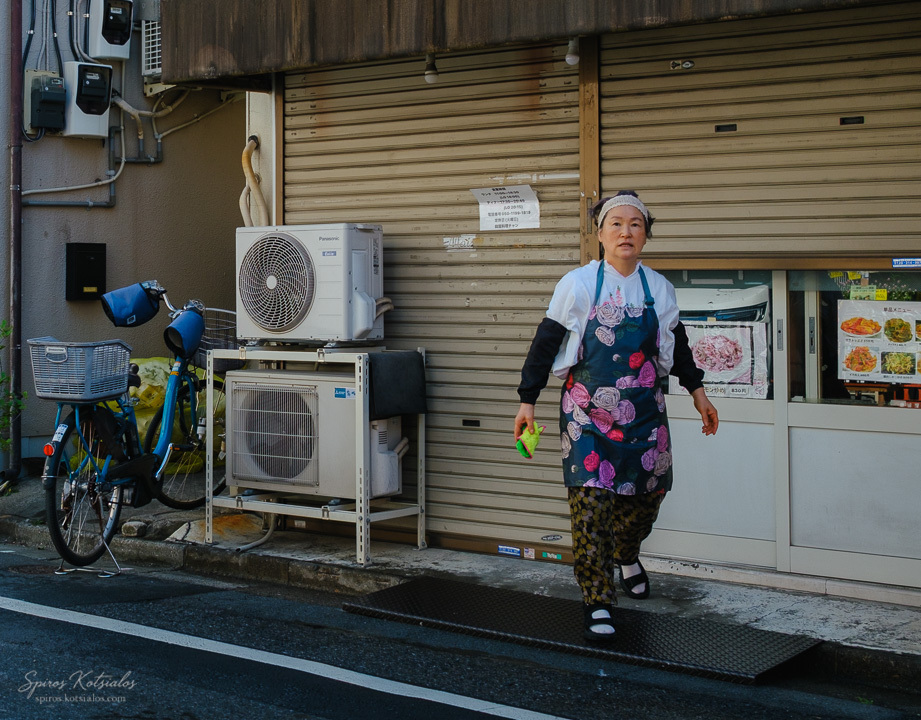
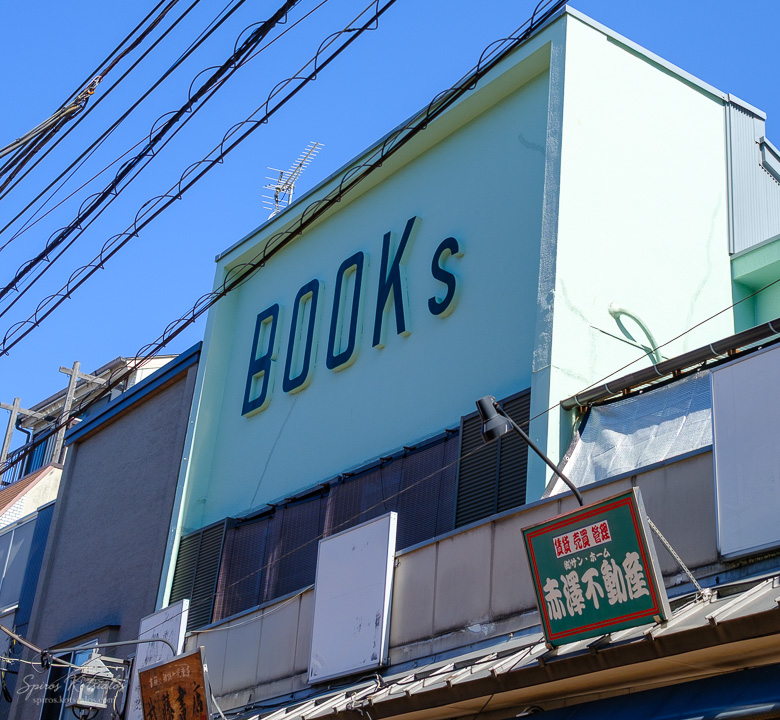
Ancient wooden temples sat between the modern infrastructure. Every street offered a new architectural contradiction to look at. I found myself too shy to point my lens directly at the locals, and capturing the sheer density of the environment in a single shot proved to be a big challenge.
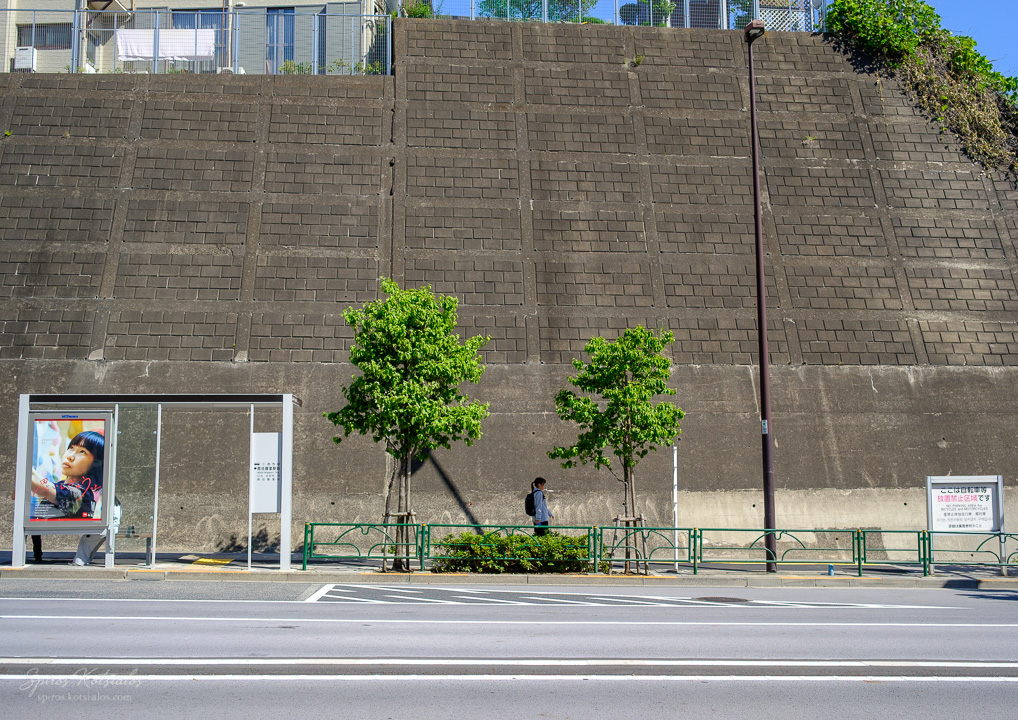
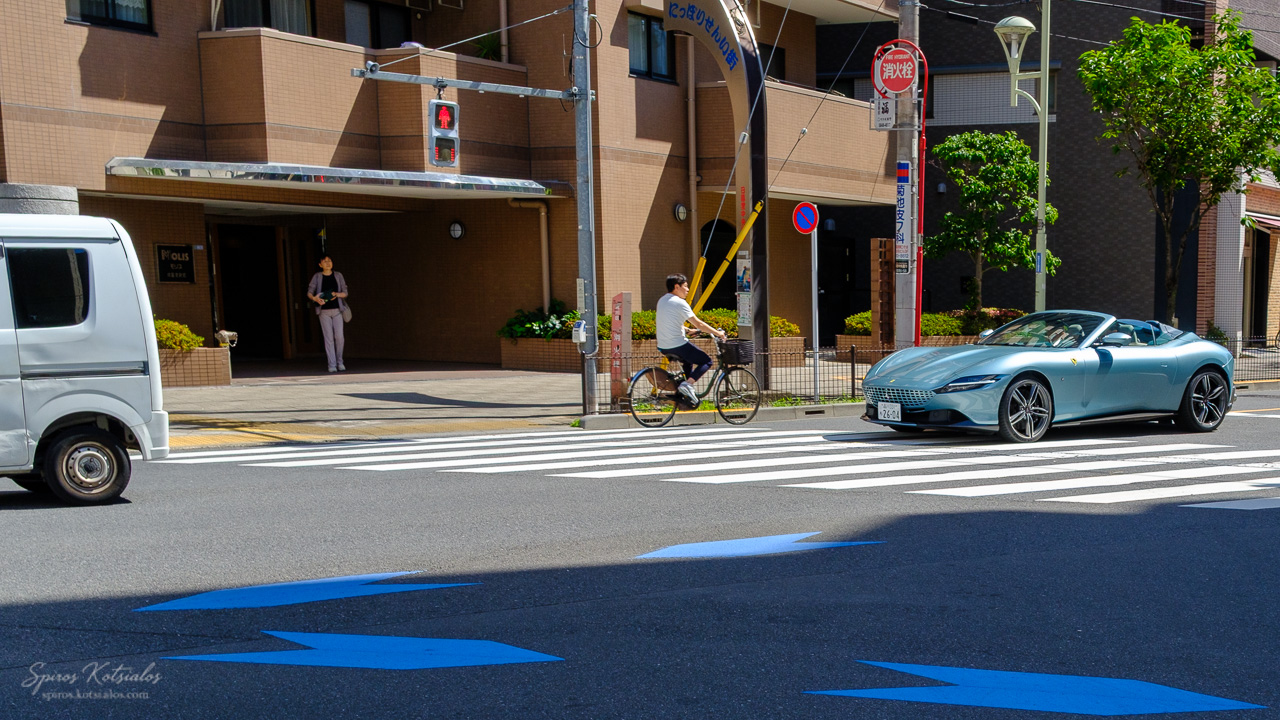
Day 3: Part Two
That afternoon, I headed off on a specific mission. I had a milestone birthday approaching and wanted to buy a watch. I took the train to Nakano Broadway, a busy, multi-level shopping complex legendary for its vintage watches and pop-culture collectibles.
The selection was staggering. There were so many high-end watches, particularly Rolexes, that the brand almost started to feel commonplace after passing the fourth or fifth display window. I finally found the exact piece I was hunting for (not a Rolex) at a famous dealer called Jack Road. The price was significantly better than anything I could find in Australia. However, the store was so busy I was told to put my name on a list and return in an hour just to try it on.
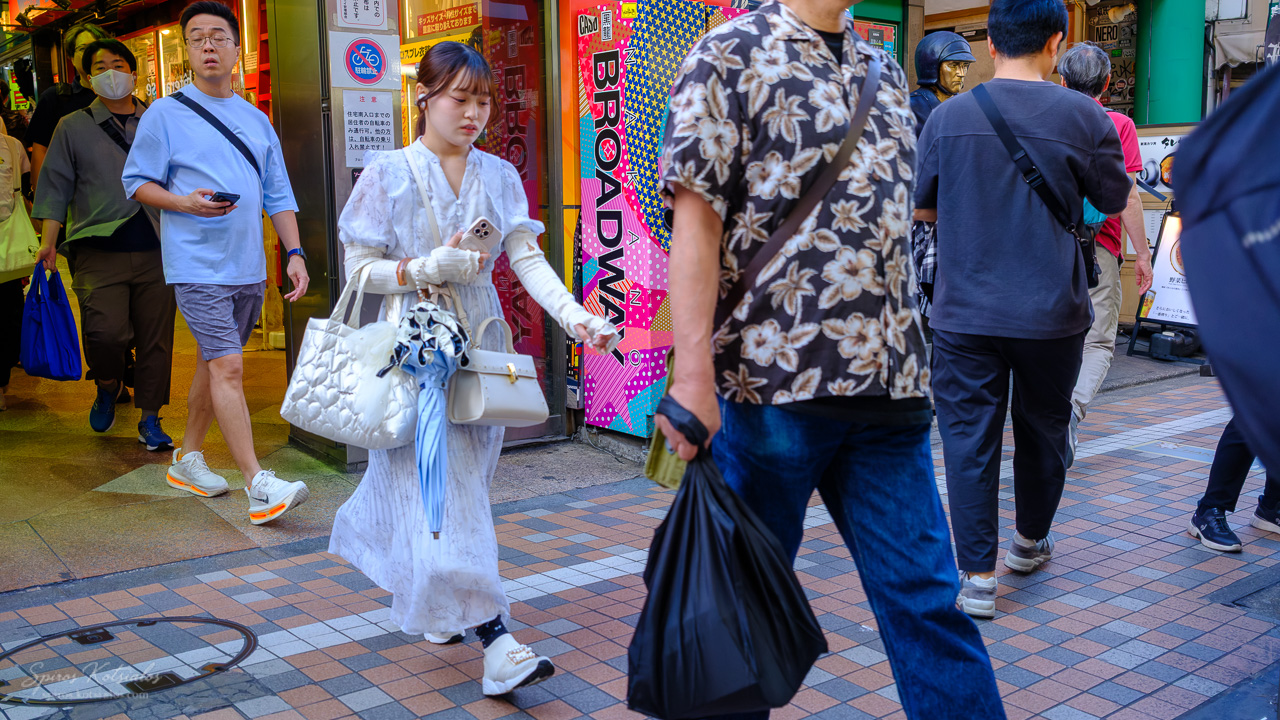
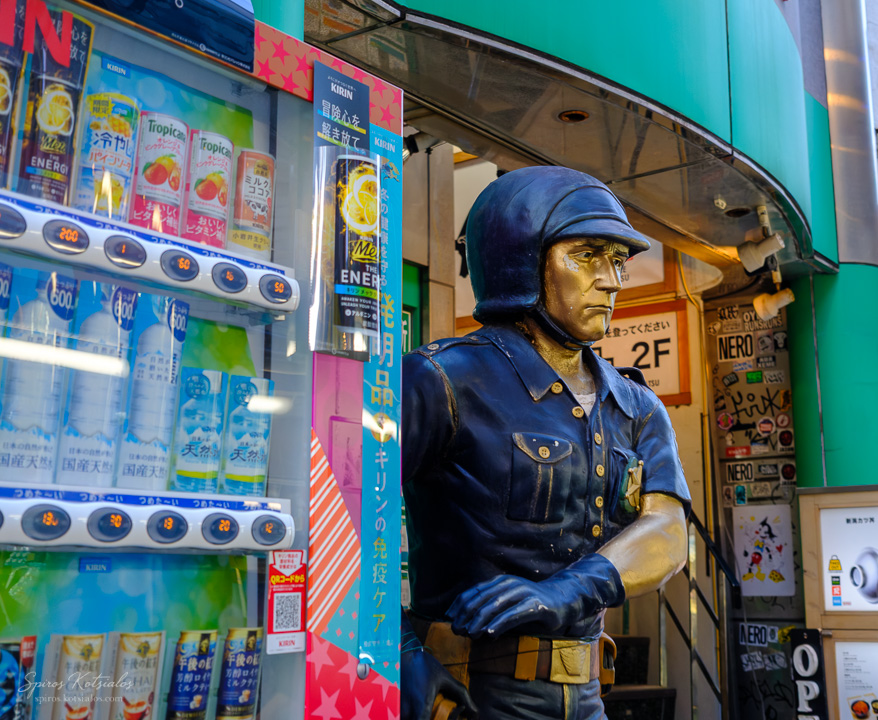
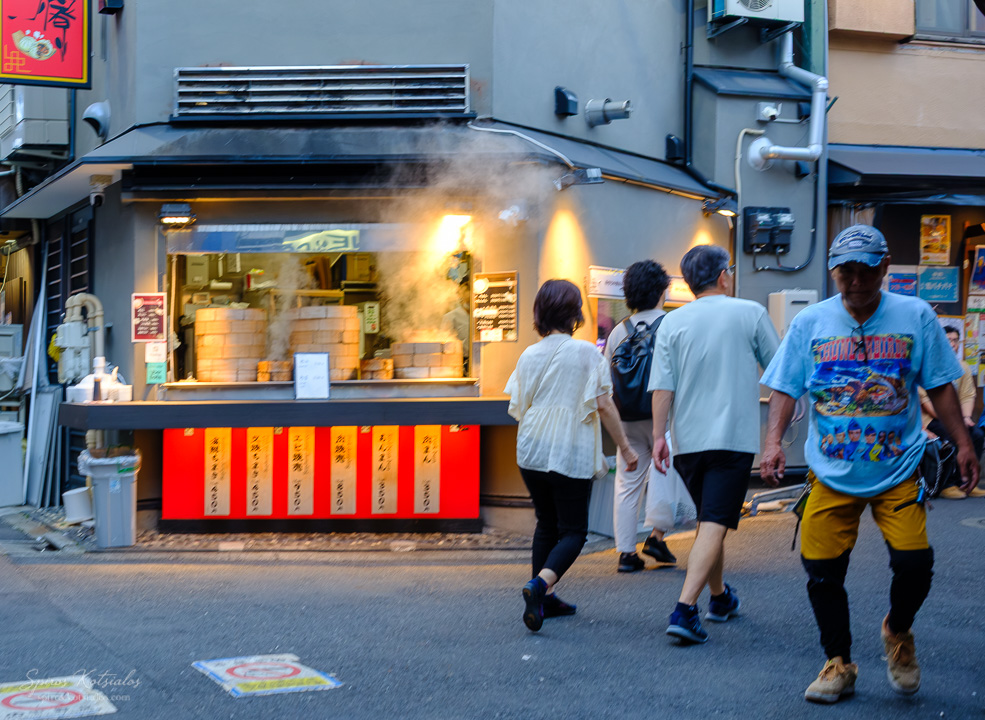
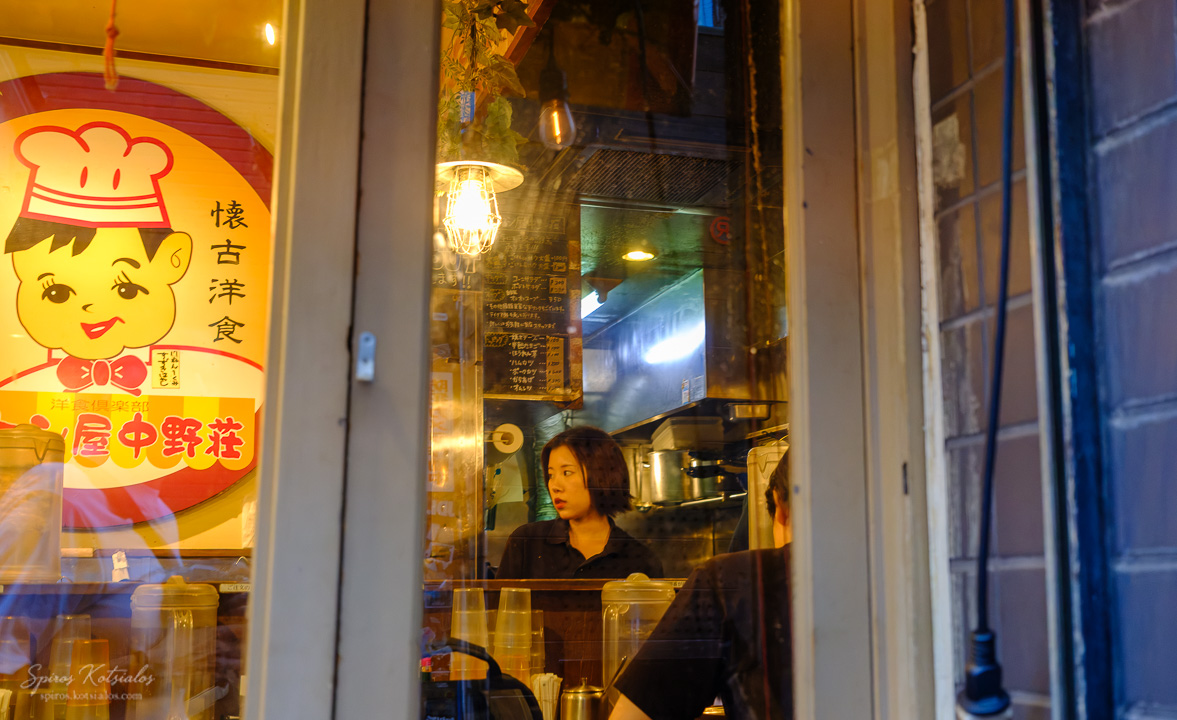
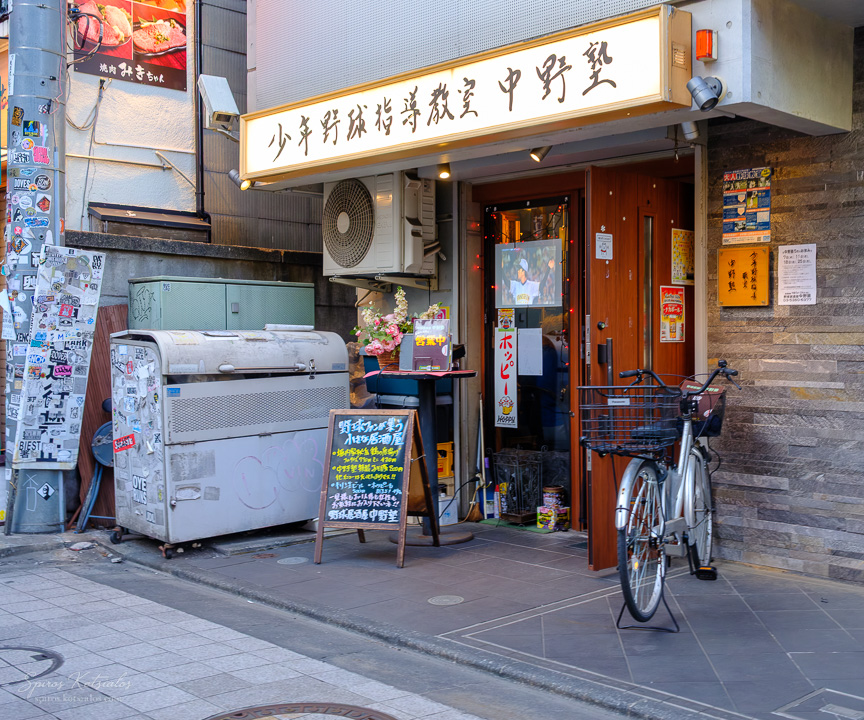
I spent the hour wandering the complex and the immediate streets surrounding it. When I returned, I was introduced to the highest level of Japanese hospitality, known as omotenashi. I was ushered into a private room, offered refreshments and taken through the sales process and treated with absolute grace.
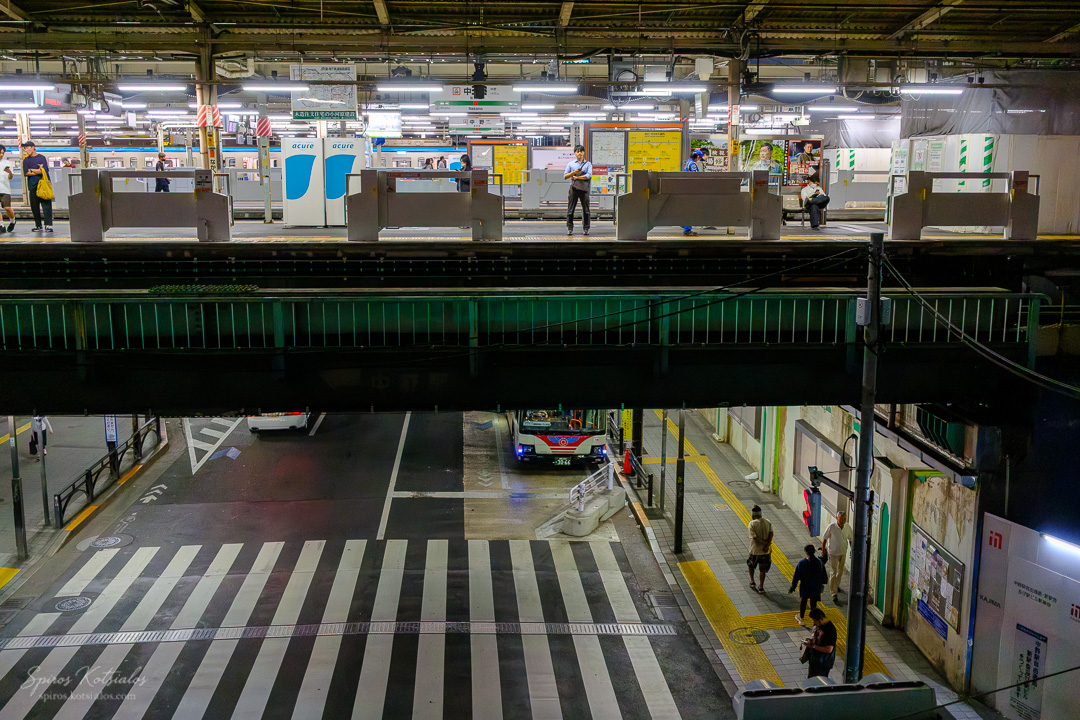
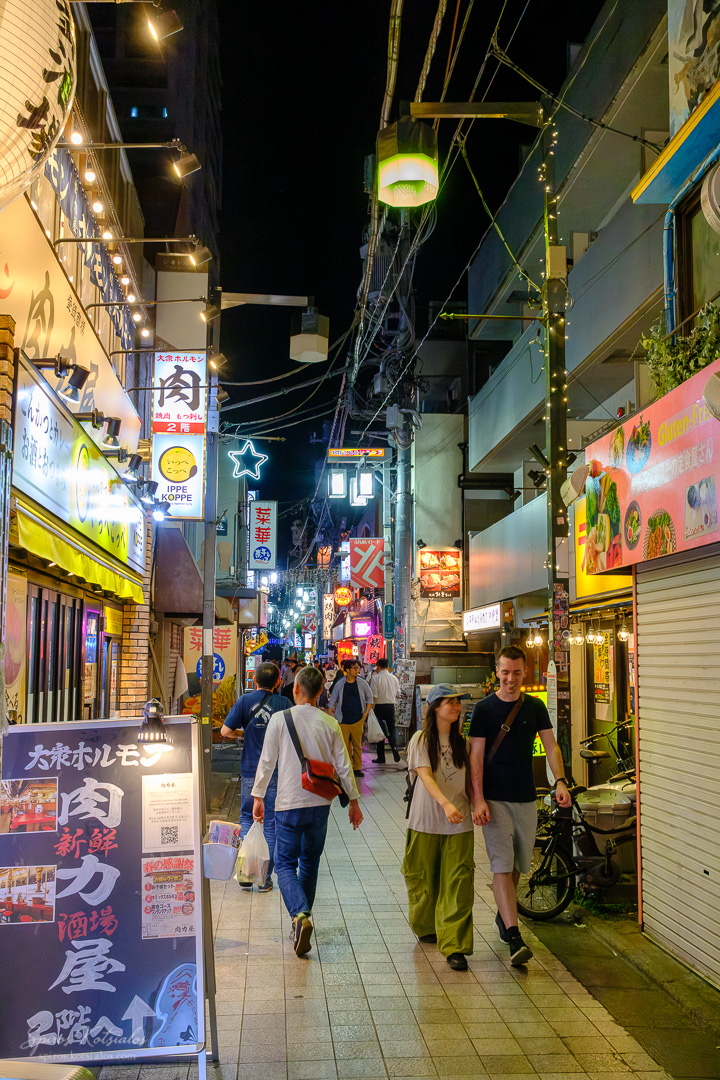
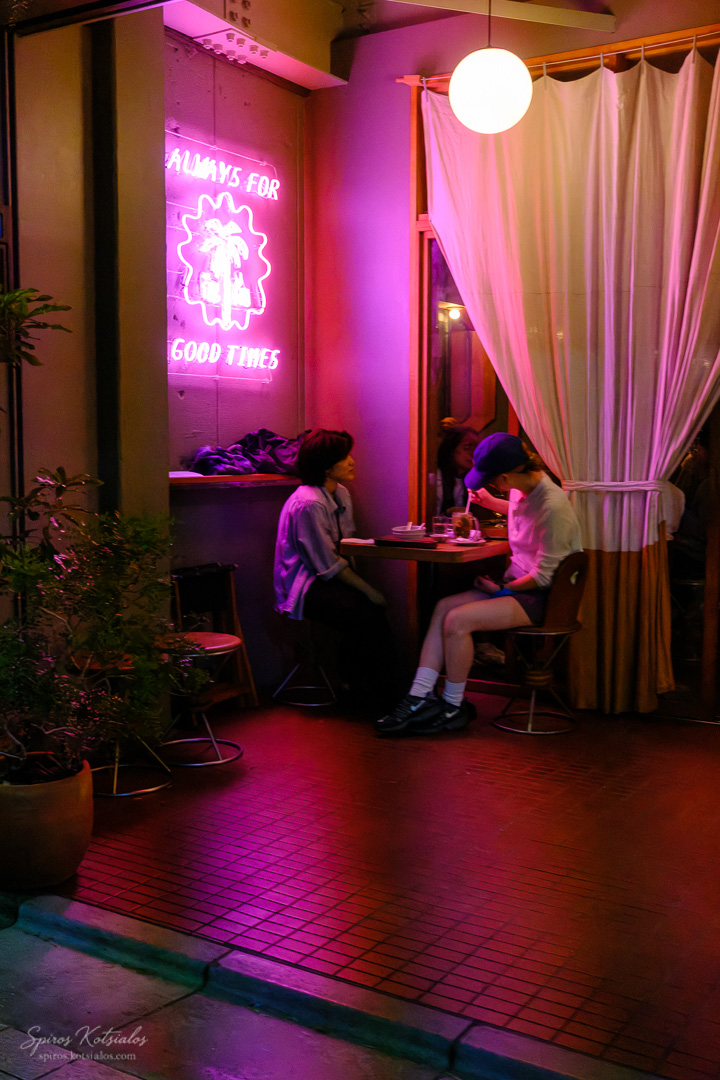
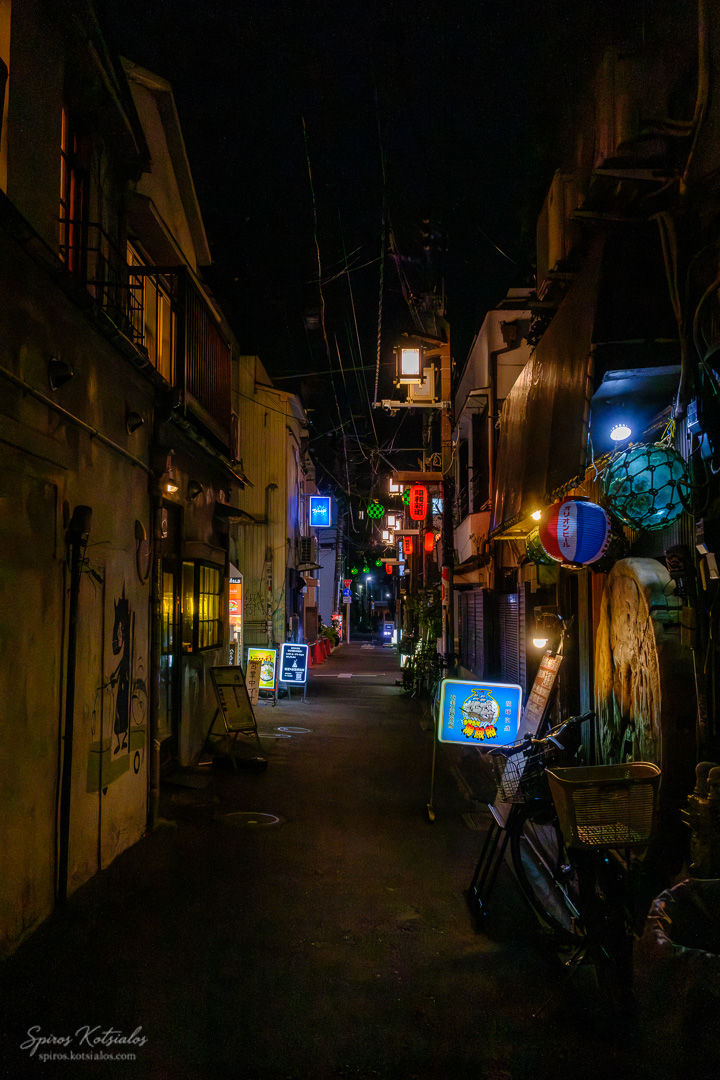
Walking out with my purchase, I explored the alleys surrounding the mall. The area was packed with tiny izakayas and bars humming with a vibrant, electric atmosphere and a noticeably larger amount of foreign residents than I had seen elsewhere.
Day 4: Pedestrian Heaven and Barefoot in the Bay
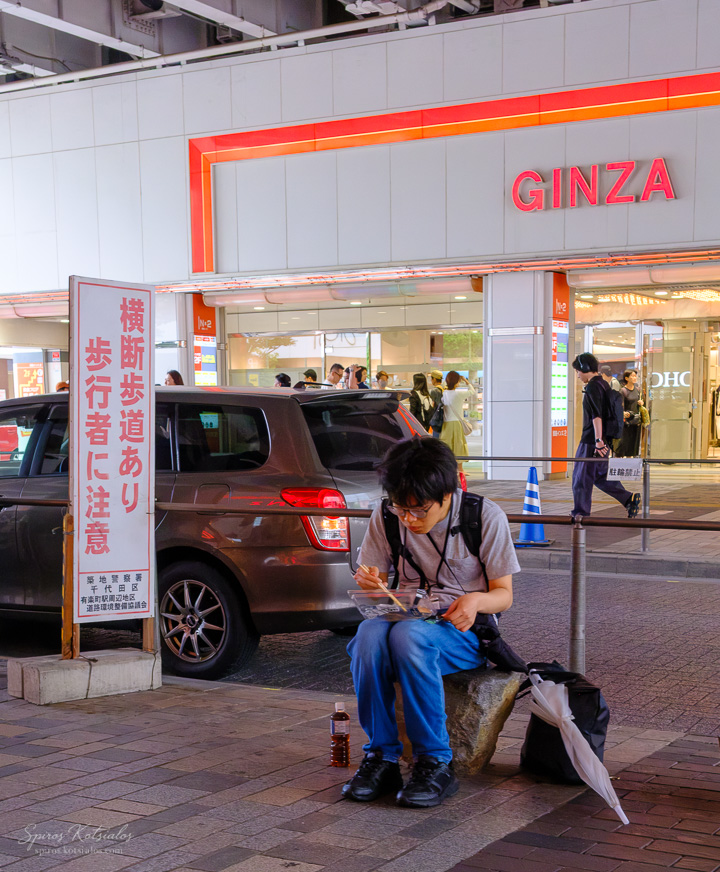
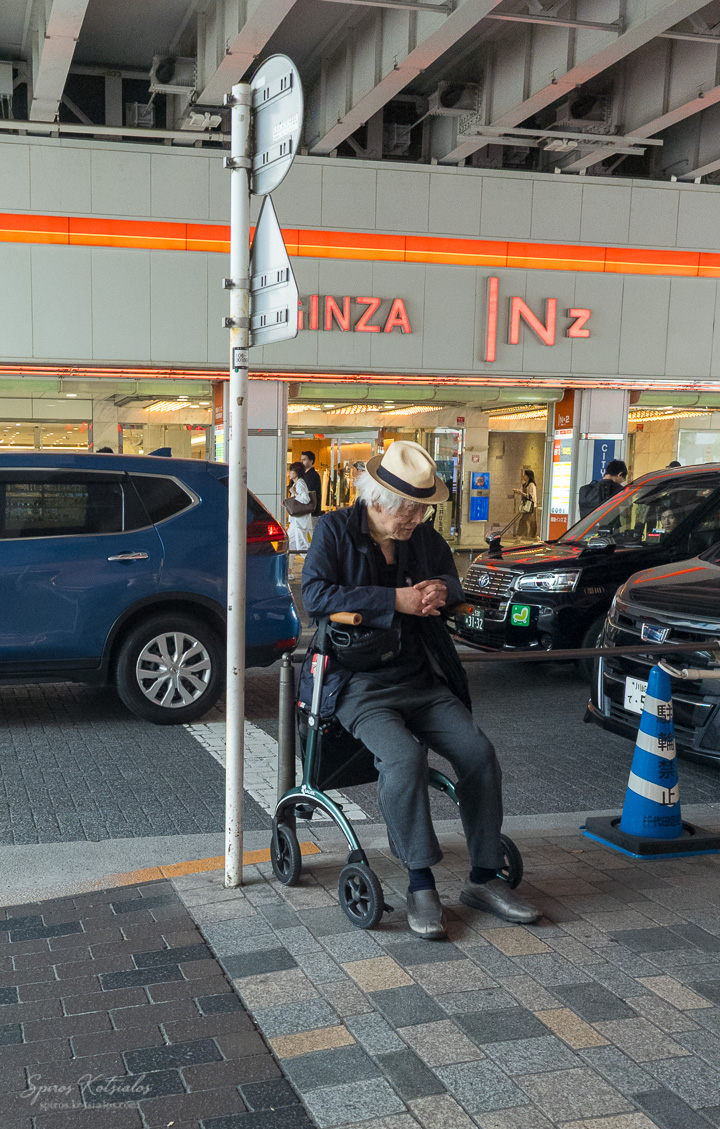
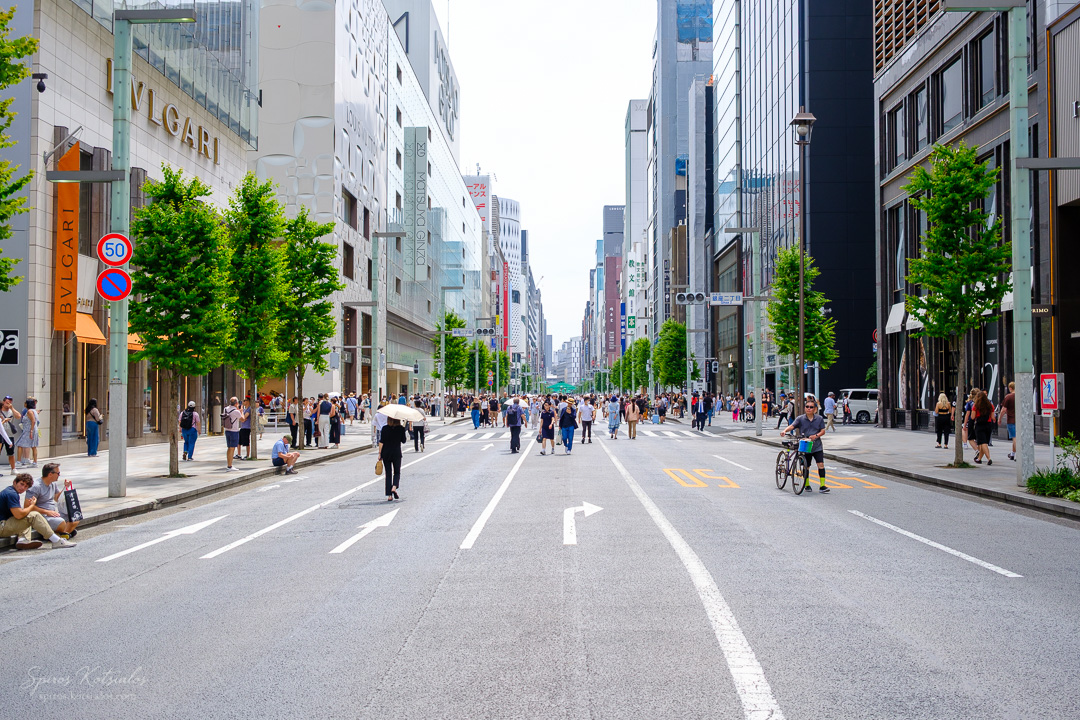
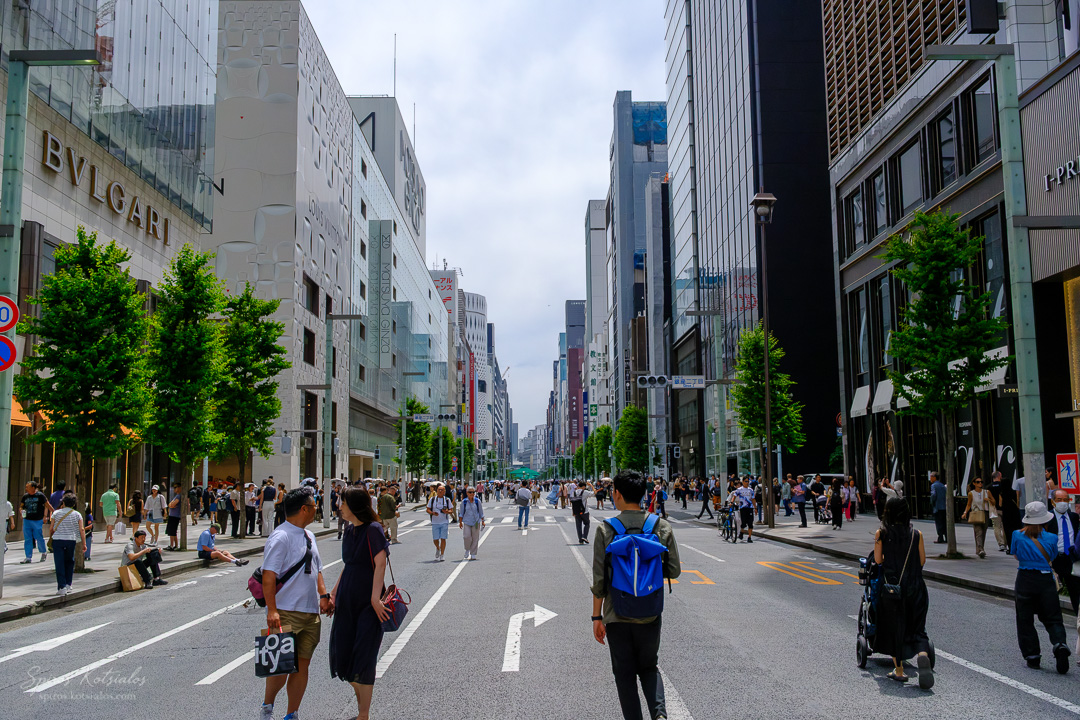
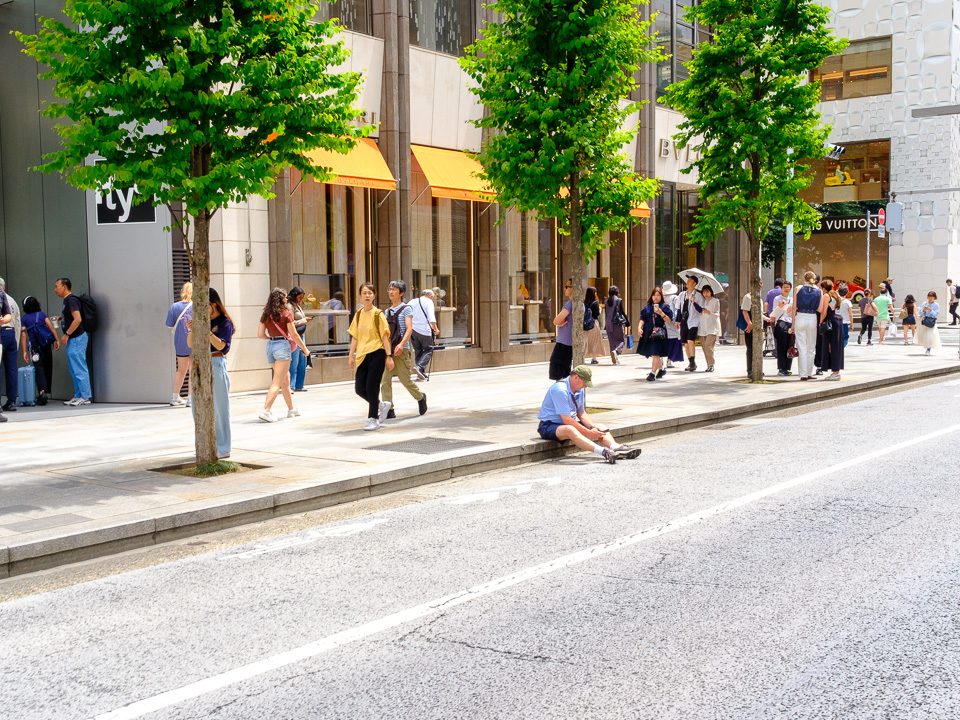
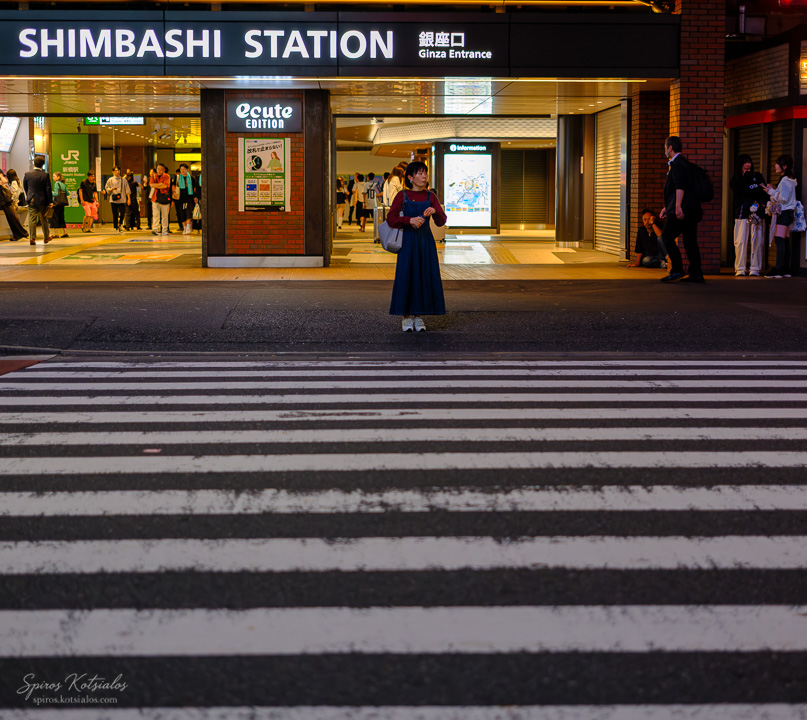
My fourth morning was dedicated to shopping. I took the train to Ginza, Tokyo's premier shopping district. Stepping out of the station, the concentration of wealth was immediately apparent. I made my way to Chuo Dori, the main thoroughfare. Because it was the weekend, the broad avenue was entirely closed to car traffic. This practice is known as hokousha tengoku, which translates to "pedestrian heaven."
The street was lined with massive flagship boutiques for the world's most dominant fashion houses. Stores for Louis Vuitton, Dior, Bulgari, and Cartier stood shoulder to shoulder. Each building competed for attention with elaborate facades designed to dominate.
I was looking for something distinctly Japanese, so I bypassed the global luxury brands and walked into Itoya. Itoya is a stationery store spanning twelve floors. I quickly realised that a person who takes their stationery seriously could easily spend hundreds if not thousands of dollars in a matter of minutes. Wandering through the aisles, I found myself pondering a cultural contradiction. I wondered how this endless appetite the Japanese have for tiny, hyper-specific zakka (miscellaneous goods) fit into the minimalist, Zen aesthetic that is so frequently associated with traditional Japanese culture.
Back out on the street, Ginza proved to be a great place for people-watching. Shoppers walked around making just a little extra effort to ensure their designer handbags and luxury watches caught the sun. I wandered for a while longer before heading back to the hotel. I did buy much, but I had acquired a few small items to remember the trip by.
==INSERT GALLERY's HERE C:\local\github\genxtoday\content\galleries\tokyo_4_morning
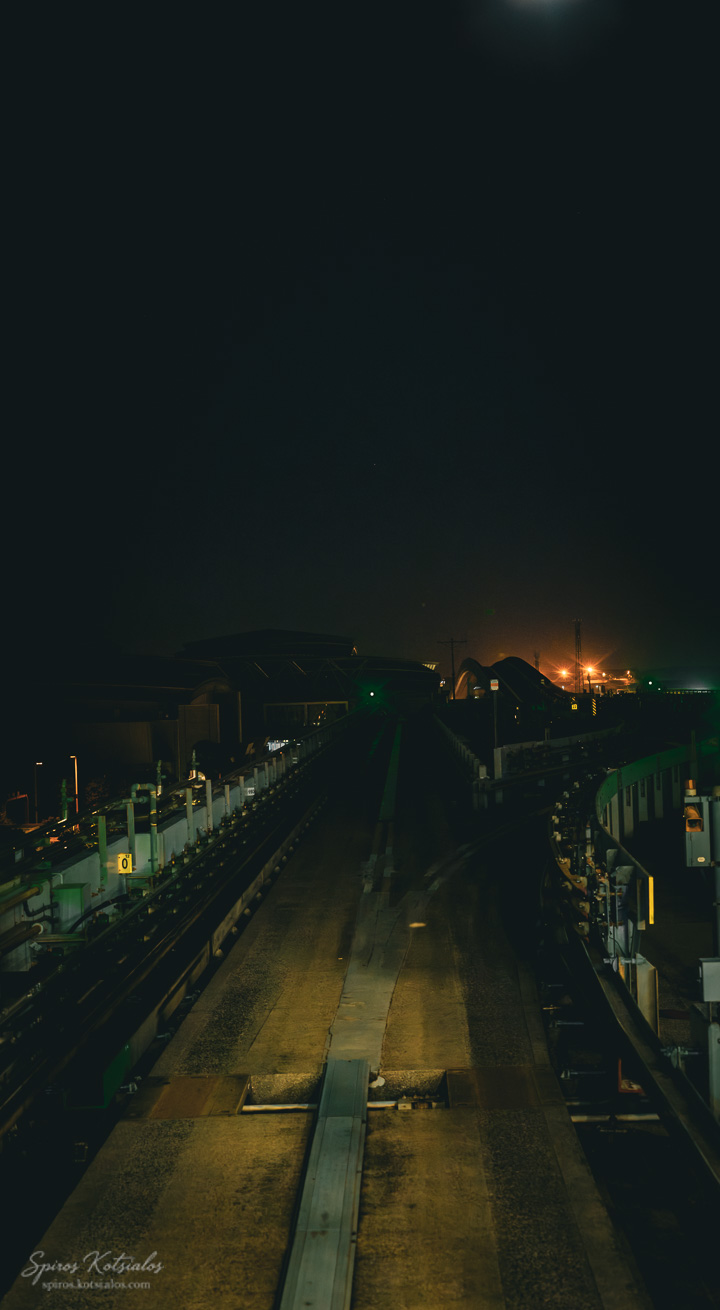
My evening was dedicated to the future. I took a fifty-minute transit ride toward Toyosu to experience teamLab Planets. The final part of the journey was on the Yurikamome line, an automated transit train that allowed me to sit at the very front window and watch the city go by.
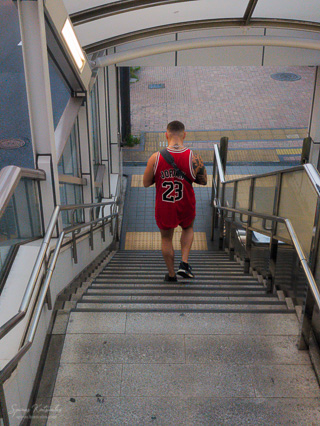
As I arrived at my destination, the tourist demographic shifted heavily. I again spotted my countrymen, this time wearing remarkably short shorts and loudly displaying their tattoos. In Japan, tattoos (irezumi) are traditionally associated with organized crime and remain a delicate cultural taboo, making the blatant display feel out of place.
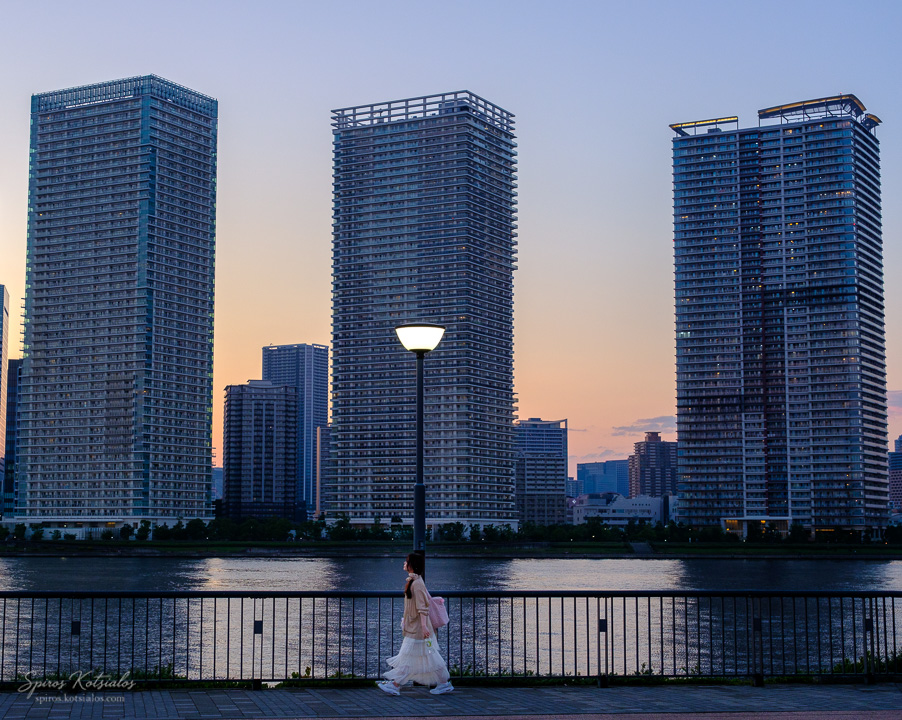
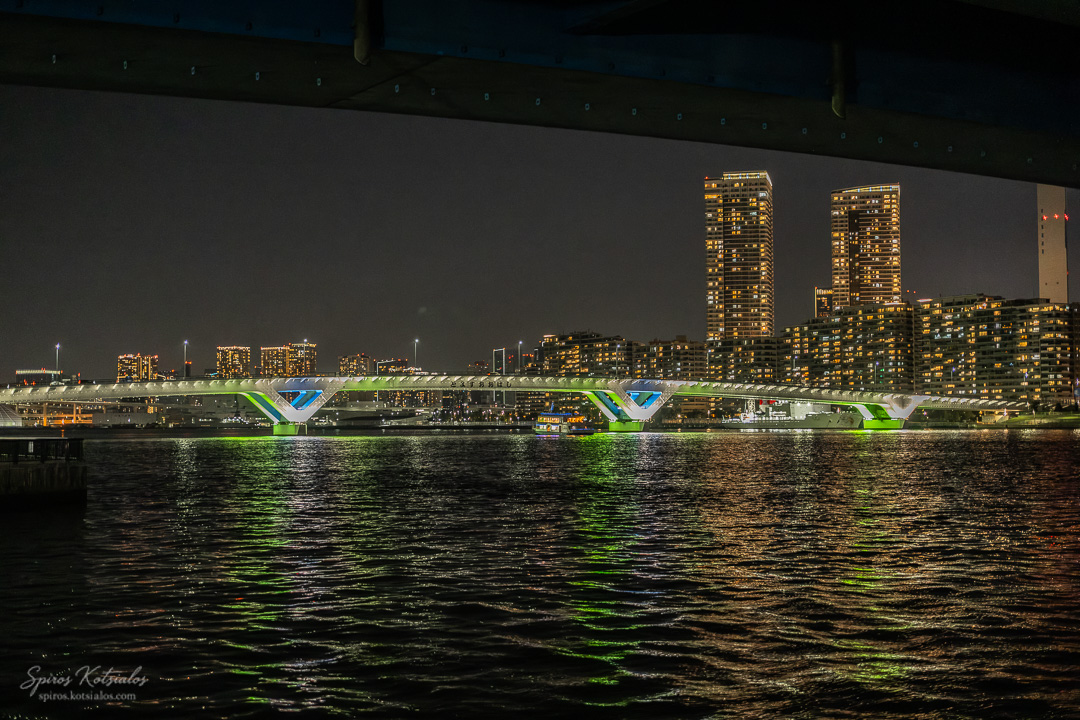
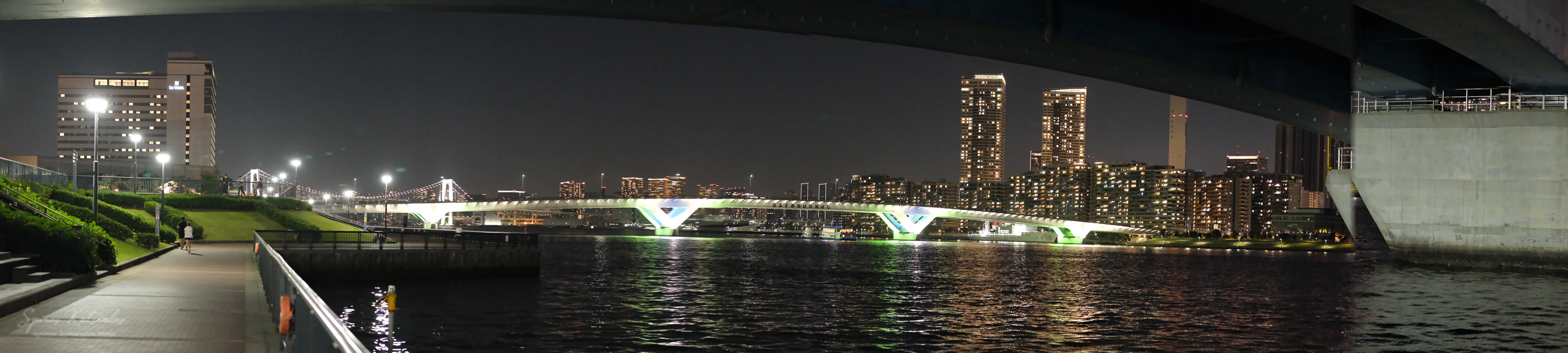
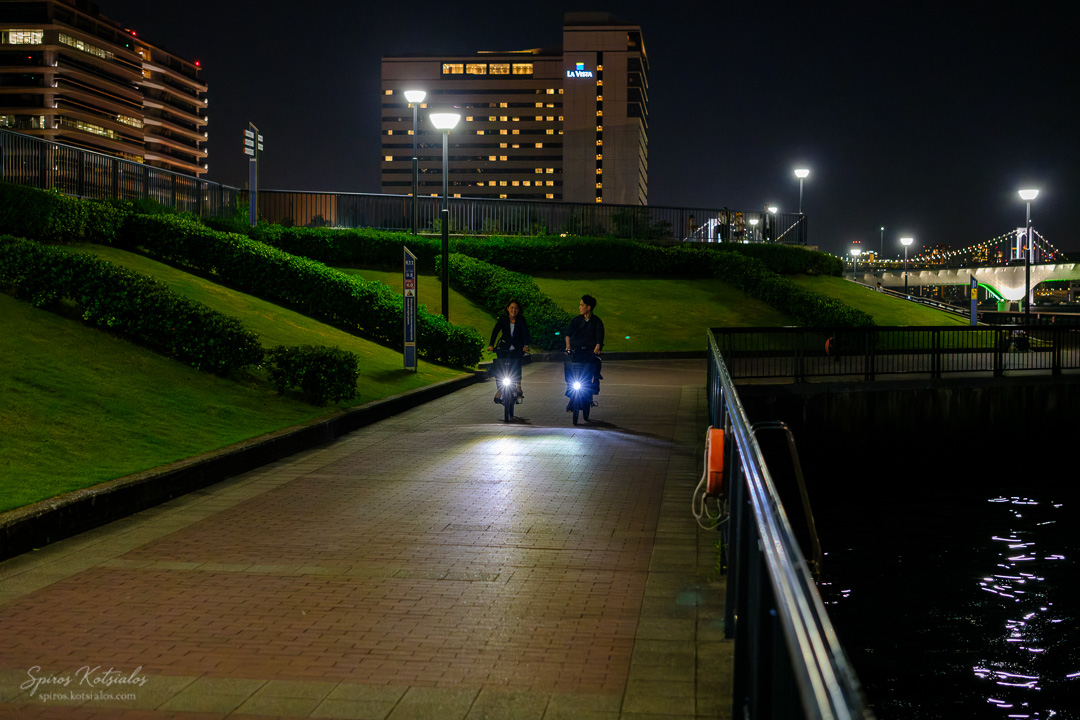
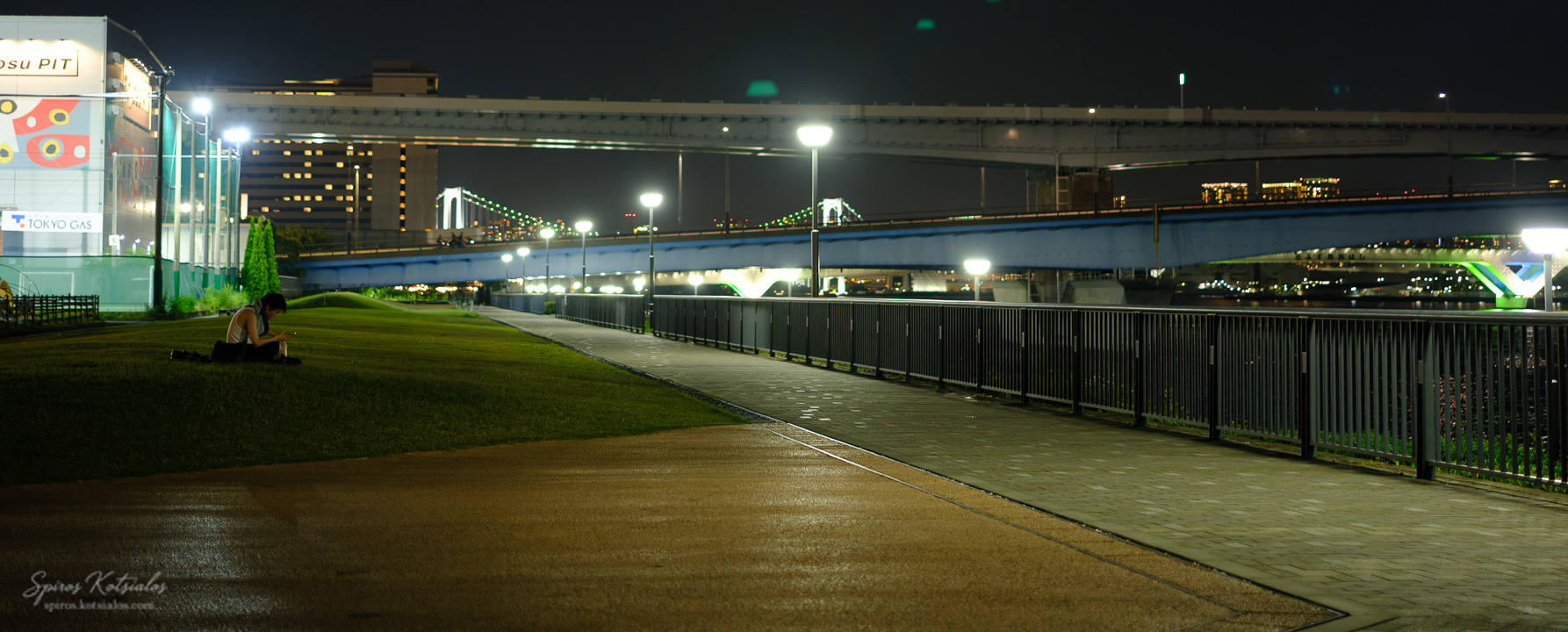
I arrived forty minutes early and took a walk through Toyosu Gururi Park along the shoreline of Tokyo Bay. It was a spectacular vantage point to look across the water at the skyscrapers of the modern city.
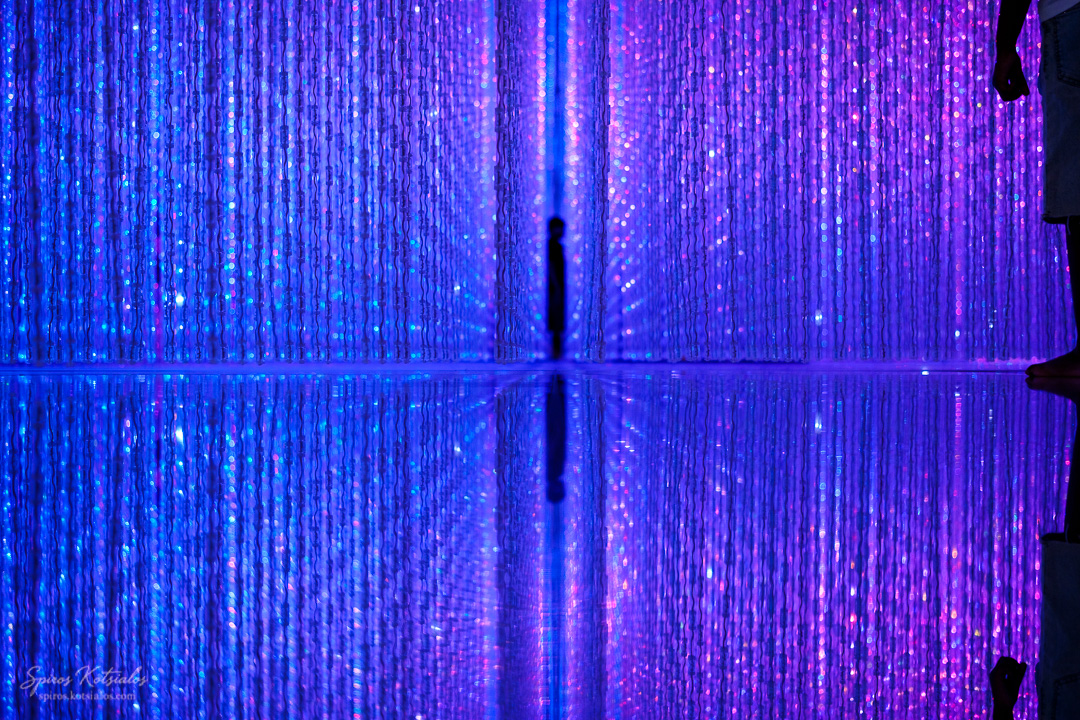
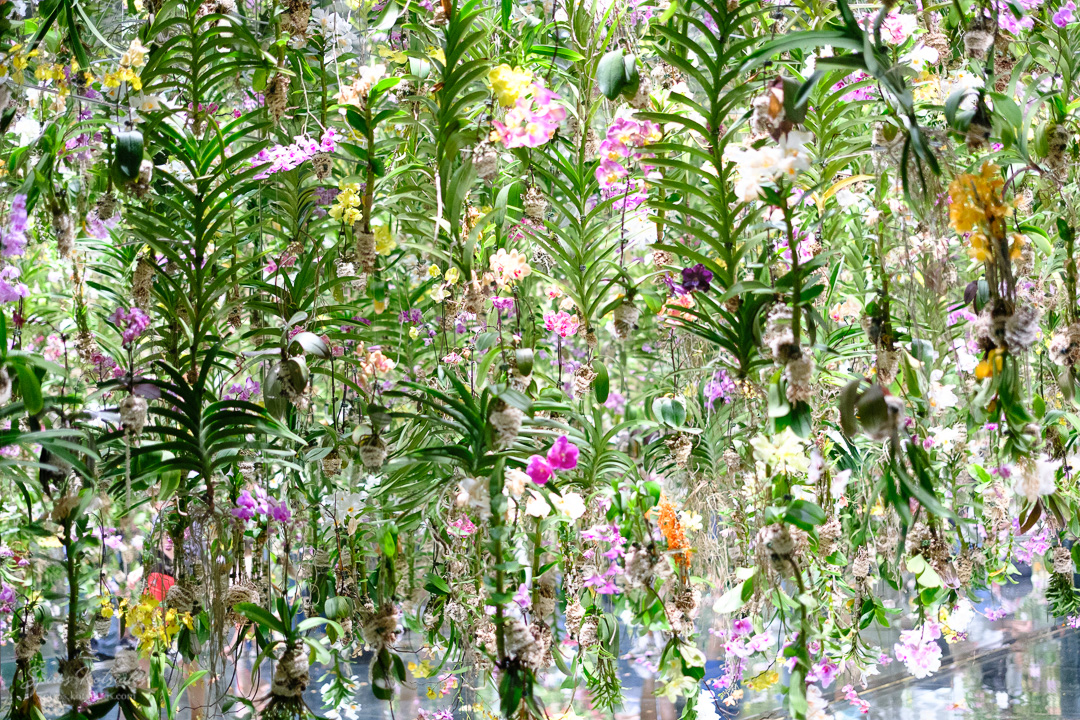
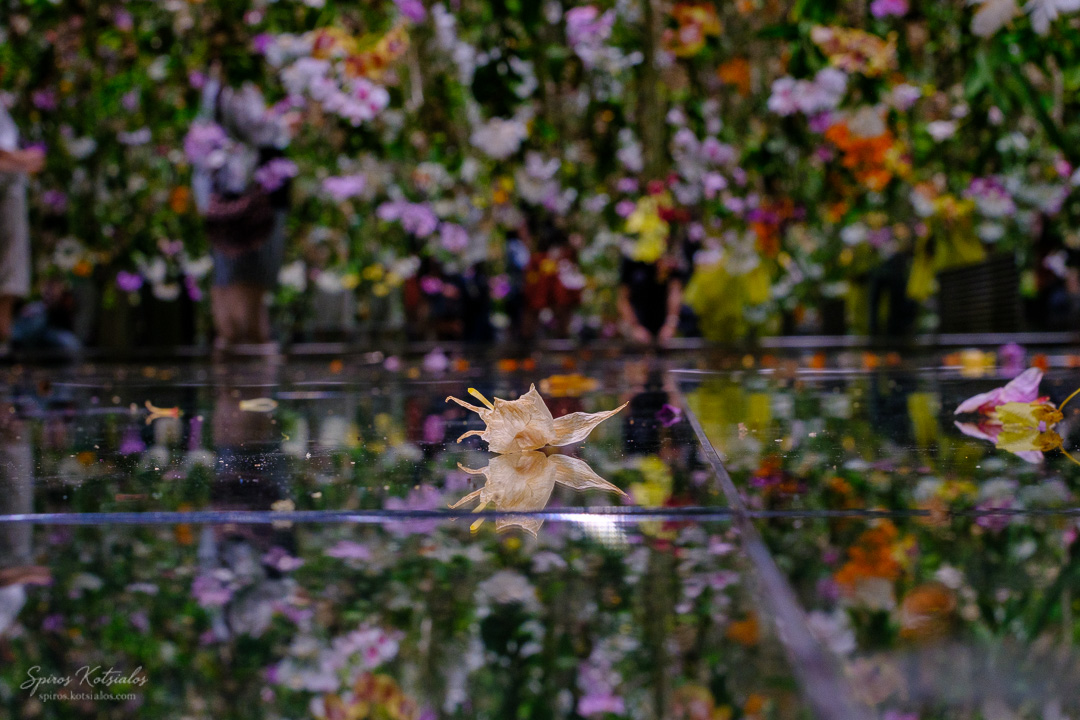
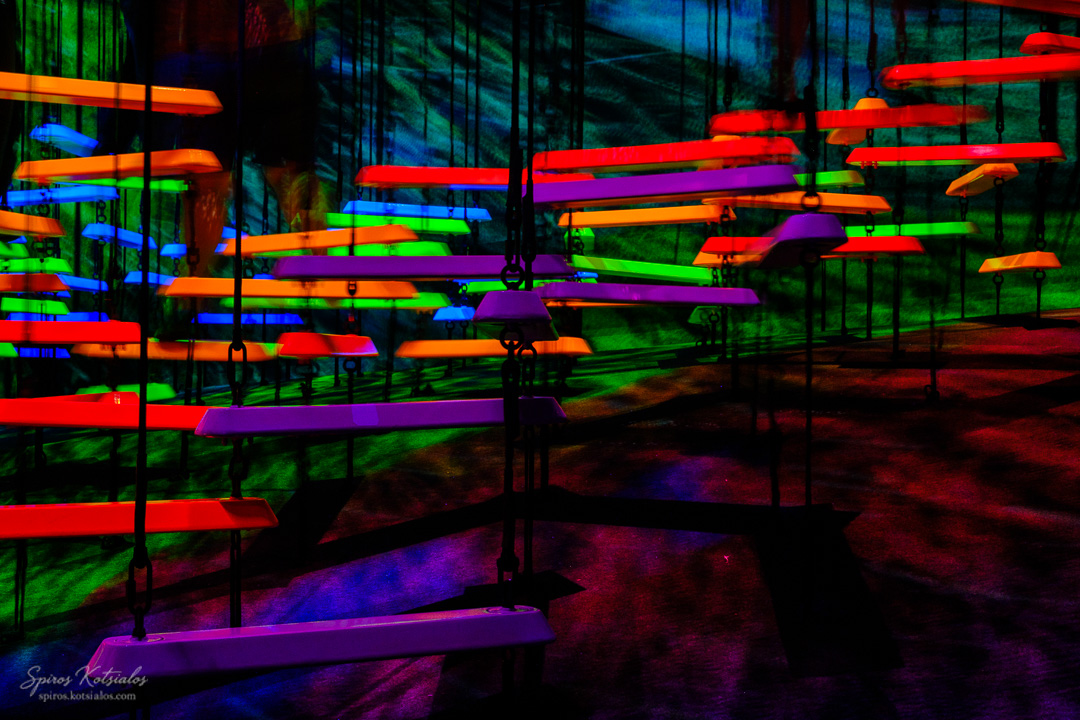
I had heard teamLab Planets was good, but from reading about it I thought I might be too old to enjoy it. The reality exceeded my expectations. It is an immersive, multi-sensory digital art museum created by an international collective of artists, programmers, and engineers. It recently broke the Guinness World Record for the most visited museum dedicated to a single art group, drawing celebrities and travelers from around the world.
Upon joining the queue, the crowd shuffled toward a set of dark doors with a mix of excitement and apprehension. Following a brief video, we were instructed to remove our shoes and socks. What followed was an hour of walking barefoot through knee-deep water, mirrored floors, and spaces filled with interactive light and sound. It is an experience that is hard to simply explain.
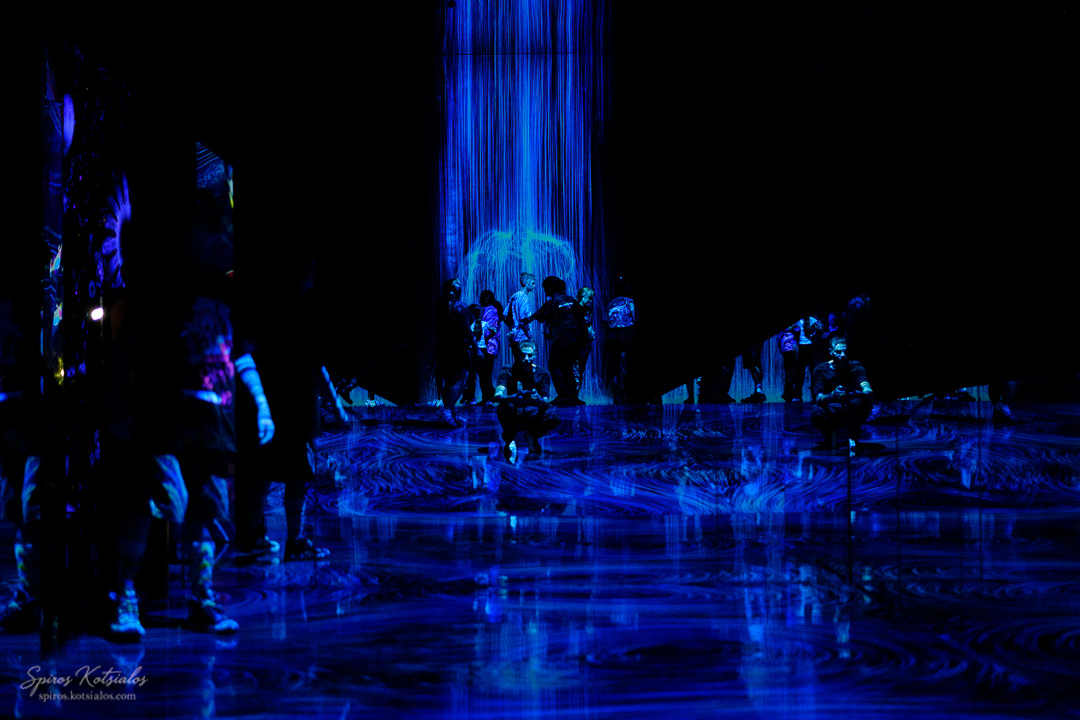
Afterward, I skipped the on-site dining and returned to the shoreline. Tokyo Bay had transformed into a haven for Japanese romantics. Young couples strolled quietly along the water. It was peaceful, yet the energy of Tokyo was undeniable across the bay.
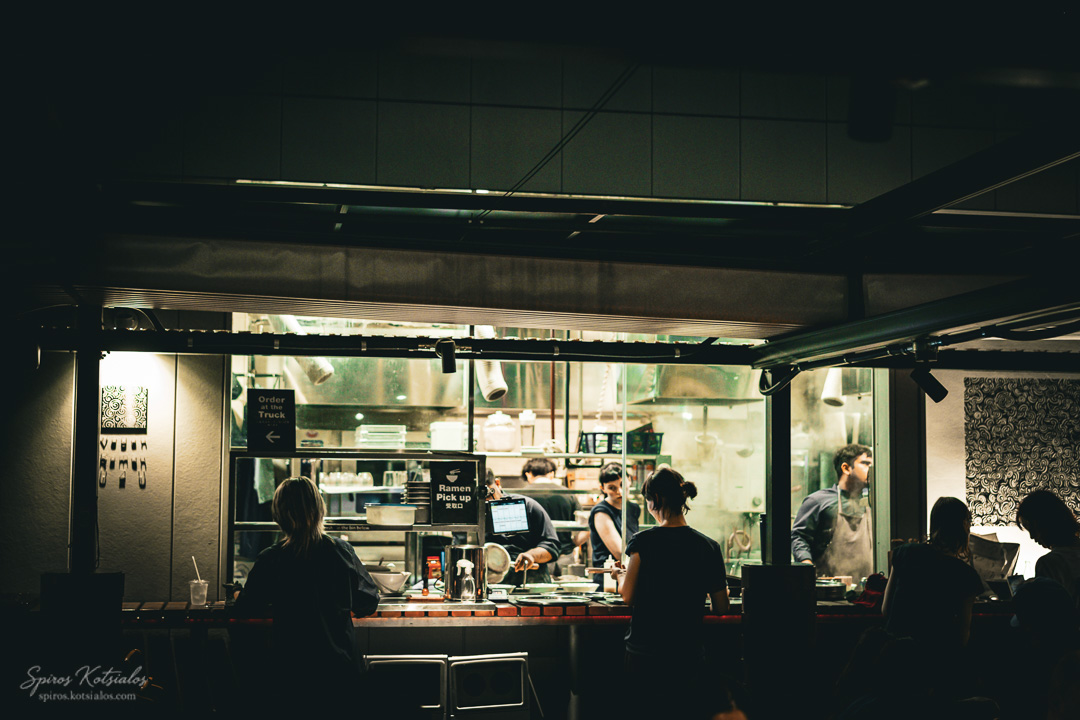
I then took my time traveling back to the hotel, strolling the streets between stations.
Day 5: Departures in Comfort
My final morning was spent at Zojoji Temple, the grand head temple of Jodo-shu Buddhism in the Kanto region. The compound features ornate wooden buildings dating back to the 1600s, serving as the mausoleum for the Tokugawa family.
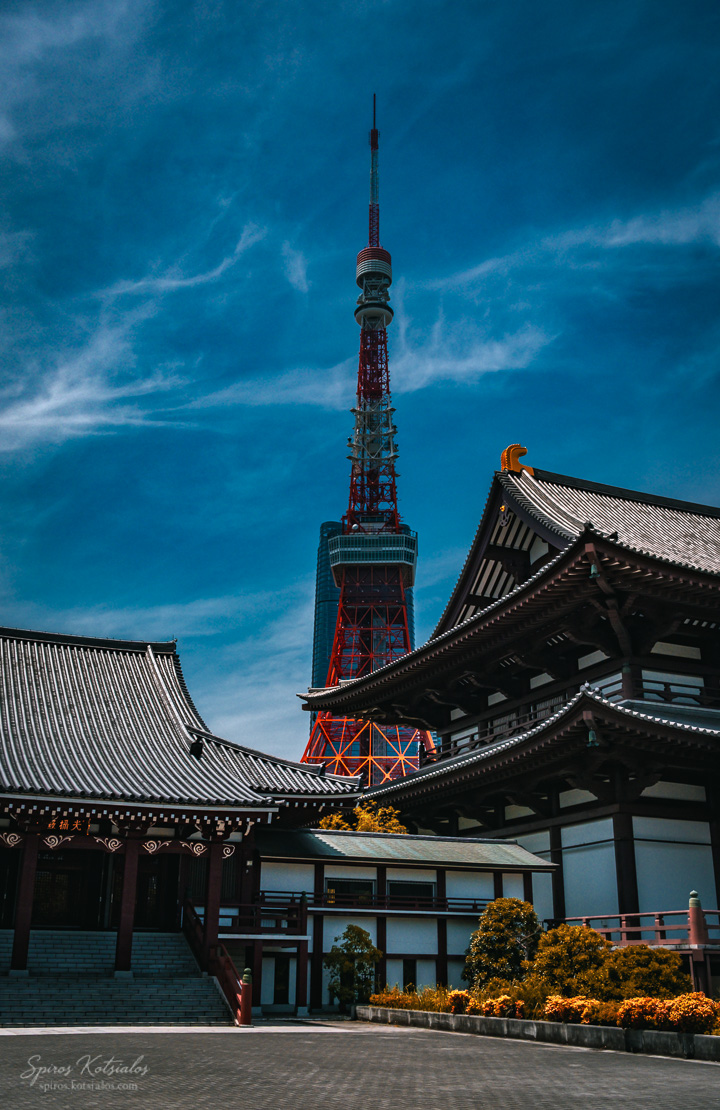
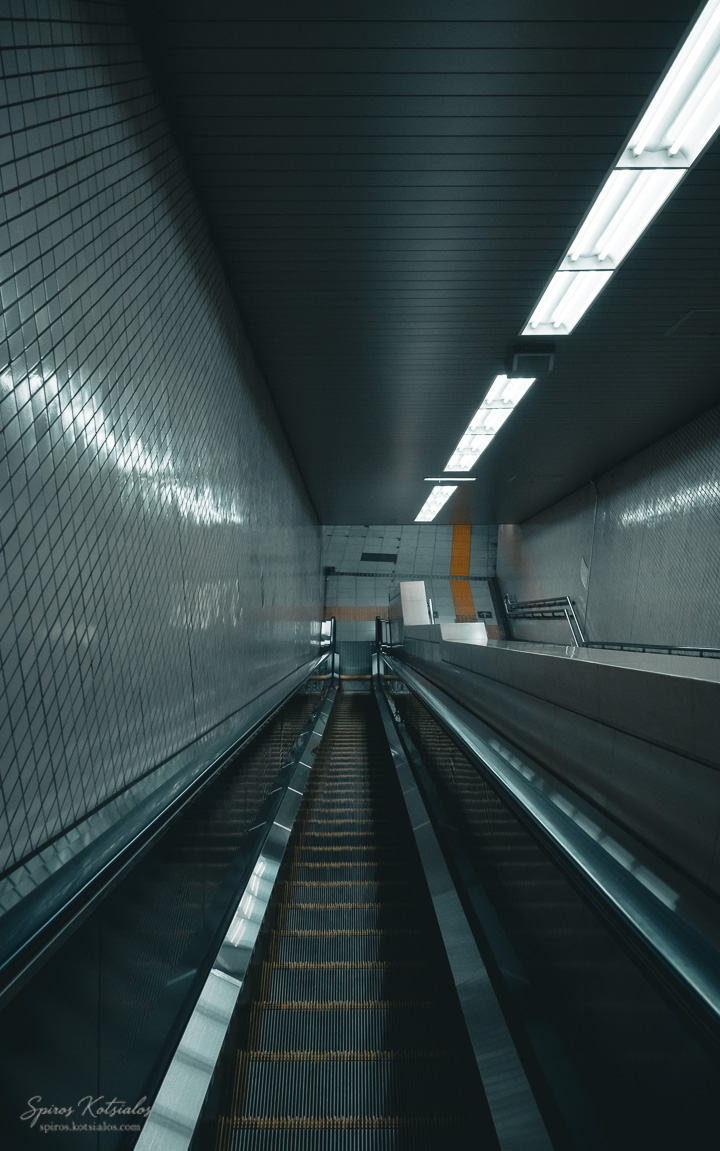
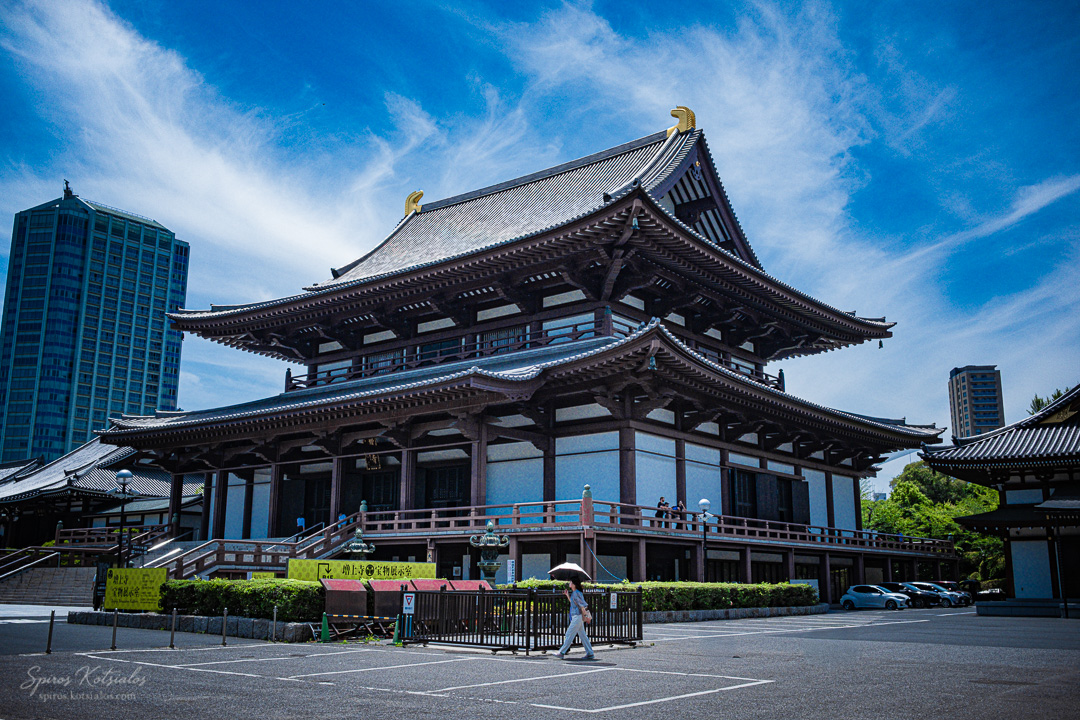
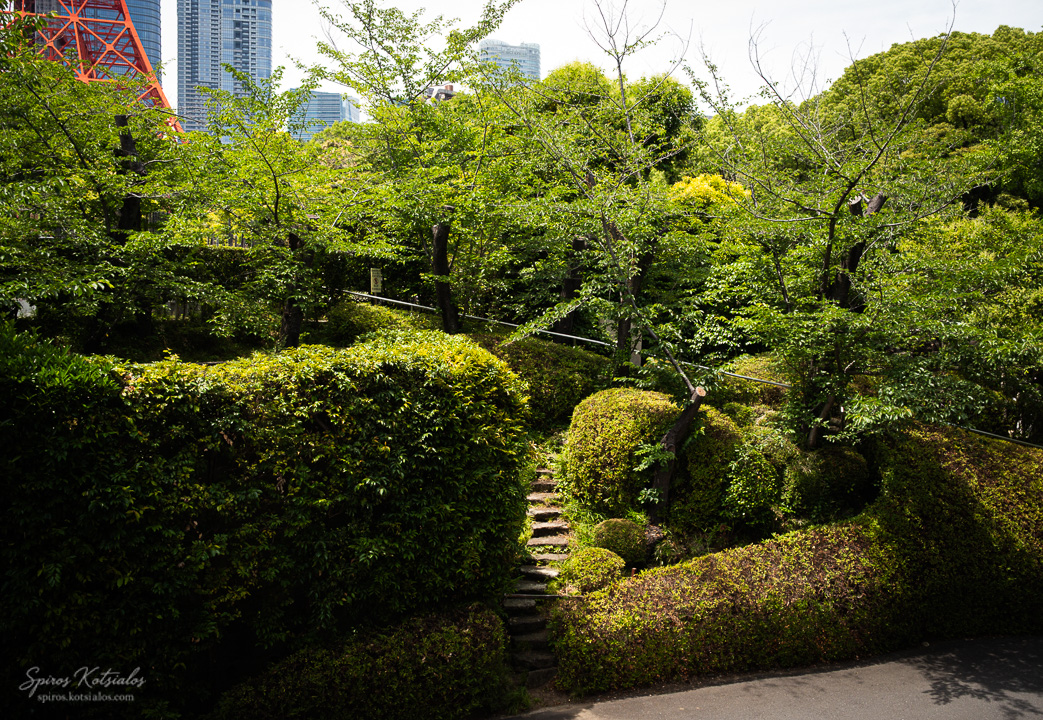
I took my time photographing the grounds and the park next to it, Shiba Park. Established in 1873, it is one of Japan's oldest public parks and a perfect example of komorebi, the Japanese word for sunlight filtering through the leaves of trees. Locals used the shaded spaces to escape the midday heat.
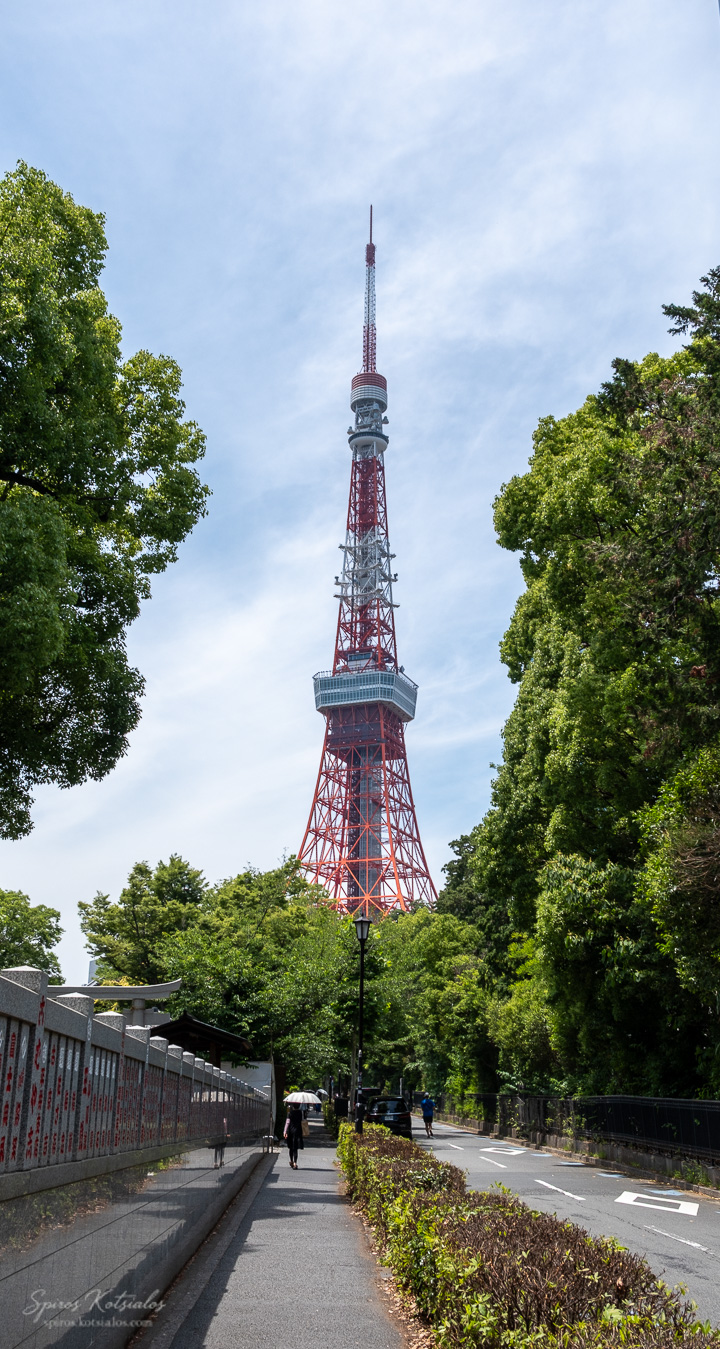
From the temple, I had a perfect view of the Tokyo Tower. Completed in 1958, the lattice structure stands at 333 meters, technically taller than the Eiffel Tower it so closely resembles. However, it is painted in alternating bands of international orange and white. This is not an aesthetic choice but a requirement of aviation safety laws.
With gifts still on my list, I took a train to Ginza Loft, a six-story store of lifestyle goods, stationery, and cosmetics. It was a very efficient stop. I found everything I needed, and the dedicated duty-free counters made the tax exemption process effortless.
Returning to my hotel to retrieve my luggage, I realized my one logistical failure of the trip. I should have utilized takuhaibin, the famously cheap and reliable Japanese luggage forwarding service, to send my bags directly to the airport. By the time I understood how easy the hotel made it, my flight was too close.
Instead, I booked an Uber Comfort to transfer to the Hotel Villa Fontaine at Haneda Airport. For just ten dollars more than a standard cab. Japan takes its luxury people movers seriously. The interior was a limousine wrapped in the shell of a van. I had a reclining captain's chair, personal climate control, seat warmers, cooling fans, a private screen, and dedicated sunroof controls. It was an exceptionally dignified way to leave the city center.
The airport hotel itself was a final realisation to Tokyo's friction-free living. I was directed to a row of automated kiosks. Within sixty seconds, I had scanned my passport, received my room key, and was riding the elevator up. The room was pristine and came stocked with traditional Japanese pajamas, even if the trousers stopped somewhat comically above my ankles. I walked to the nearby convenience store for a few final essentials and went to sleep.
Getting through Haneda's departure gates the next morning was swift and seamless. The only minor tragedy was that at such an early hour, the airport shops were still asleep. I sat at my gate with nothing left to do but wait for boarding, watching the sun rise over a city I was already planning to return to.