
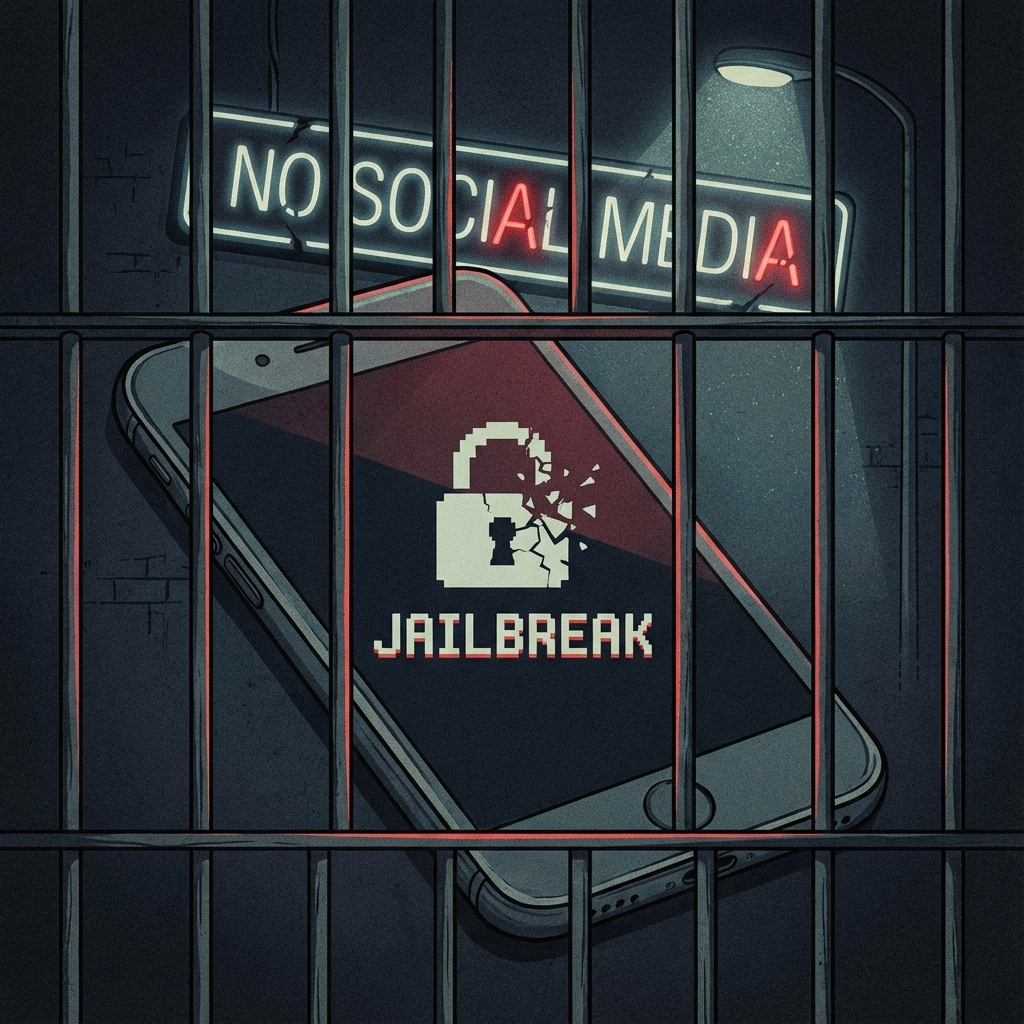
If there is one thing our generation understands, it’s the allure of the "forbidden fruit." We were the latchkey kids who navigated the world with a house key around our necks and a healthy skepticism of authority. We remember when the drinking age was the ultimate barrier to entry, and we remember exactly how we got around it.
Now, the Australian Federal Parliament has passed the Online Safety Amendment (Social Media Minimum Age) Act 2024, effectively banning social media for anyone under 16. The intent? To protect our kids. The reality? We might have just created the digital equivalent of the "18+ venue" (and we all know what happens when you tell a teenager they aren't allowed inside).
The "Prohibition Paradox"
The government’s new law draws a heavy parallel to the alcohol age limit. They argue that setting a hard line at 16 will keep kids safe, much like the 18+ limit is supposed to stop teenage drinking. But let's be honest about our own history.
Did the 18+ laws stop us from drinking? No. It created a culture of "pre-loading" (drinking cheap, high-potency stuff at home before heading out) specifically because we couldn't buy it at the venue. It turned alcohol into a "badge of honour," a rite of passage that was cool because it was illegal.
This ban risks doing the exact same thing for social media. By creating a "cliff edge" at 16, we aren't teaching kids how to swim; we're keeping them out of the pool until their 16th birthday and then throwing them into the deep end of algorithmic feeds without any "digital resilience".
The "Dark Social" Displacement
Here is the part that should worry every pragmatic parent. When you shut the front door, teenagers find a window.
Experts are warning that this ban will drive kids away from regulated platforms like Instagram and TikTok (which have safety teams) and toward "dark social" spaces. We’re talking about decentralized apps like Discord and Telegram. These places are harder to monitor, often encrypted, and lack the moderation tools of the big giants.
Just as "pre-loading" happens in private homes away from bouncers, "digital bingeing" will happen in these unmoderated channels. The ban doesn't delete the behavior; it just hides it.
The Swiss Cheese Firewall: VPNs and Burners
The legislation slaps fines of up to $49.5 million on platforms that don't comply, but the technical enforcement is porous at best. Our kids are digital natives; they view barriers as puzzles to be solved.
The VPN Tunnel: Australian teens are already sharing methods to route their traffic through countries like the US or New Zealand, making them appear to be outside Australian jurisdiction.
The "Burner" Account: If a platform demands ID, teens will simply create "burner" accounts using false dates of birth or borrow an older sibling's ID.
This turns the ban into "security theater": it looks tough, but it doesn't actually stop the threat.
The Road Not Taken: Mandatory Parental Controls
There was a better way, one that aligns with our "stealth-fighter" parenting style (intervene when necessary, but encourage independence).
Critics and independent MPs argued for a framework of Mandatory Parental Controls (MPC) rather than a blanket ban. Imagine if, instead of blocking access, Apple and Google were required to enforce a "Child Mode" at the operating system level.
This approach would have included:
Algorithmic Safety: Banning the addictive "recommender algorithms" (the doom scroll) for under-16s, but keeping the social connection.
Parental Tethering: Linking a child's account to a parent's for approval, similar to Google's "Family Link" but with actual legal teeth.
Data Protection: Stopping data collection for ad targeting on minors.
This would have been the "training wheels" approach, teaching them to ride safely rather than banning the bike.
A Pragmatic Guide to "Stopping the Bypass"
Since the government went with the blunt instrument, the burden of enforcement now falls squarely on us. If you want to actually secure your home network, you need to get technical.
1. Lock Down the Router (Network Level)
You can't control every device your kid's friends bring over, but you control the Wi-Fi.
Action: Change your router's DNS settings to a "Family Safety" service like OpenDNS Family Shield.
Why: It blocks known VPN ports. If a child tries to switch on a VPN to access TikTok, the router refuses the connection.
2. Watch the Battery (The Spot Check)
Teenagers use "Vault" apps, which look like calculators or audio managers but are actually secret folders for hiding social media.
- The tell: Check their battery usage. If the "Calculator" app is using 20% of their battery, it’s not because they love math. It's a vault.
3. The Factory Reset Loophole
Be aware that standard parental control apps can often be bypassed by a simple factory reset of the phone. If you are serious about locking it down, you need Mobile Device Management (MDM) software (the same stuff companies use to secure employee phones).
The Bottom Line
We navigated the "wild west" of the analog world, and we turned out fine. But we need to ensure our kids don't just survive the digital world, but learn to master it. The ban is law now, but real safety starts at the kitchen table, not in Parliament.