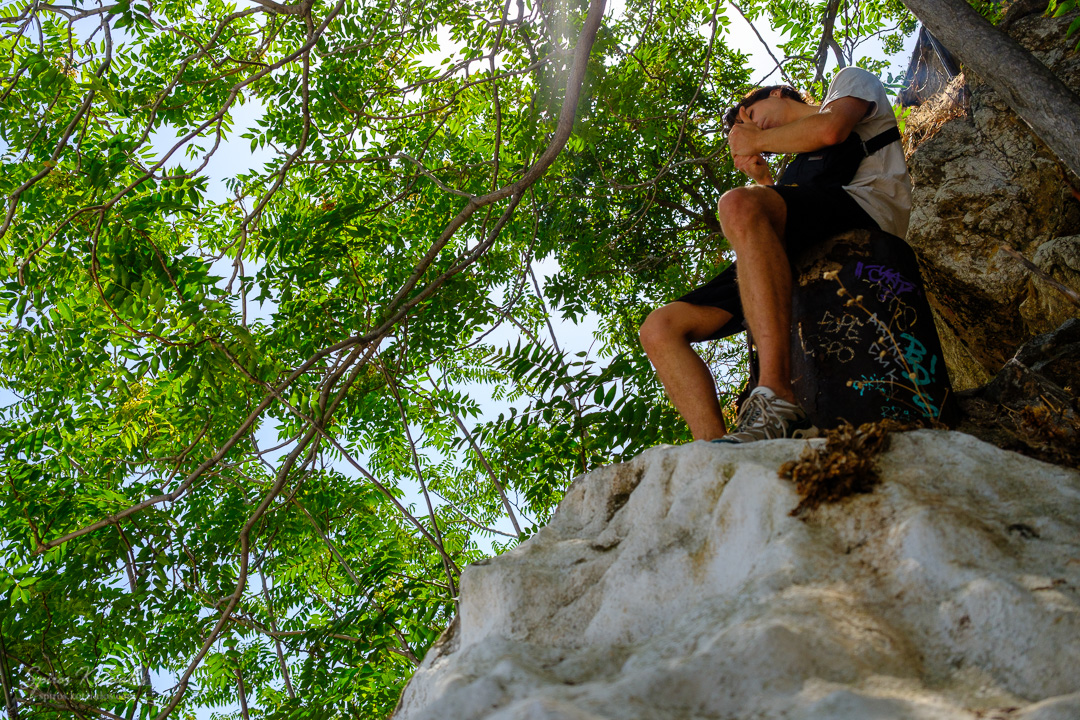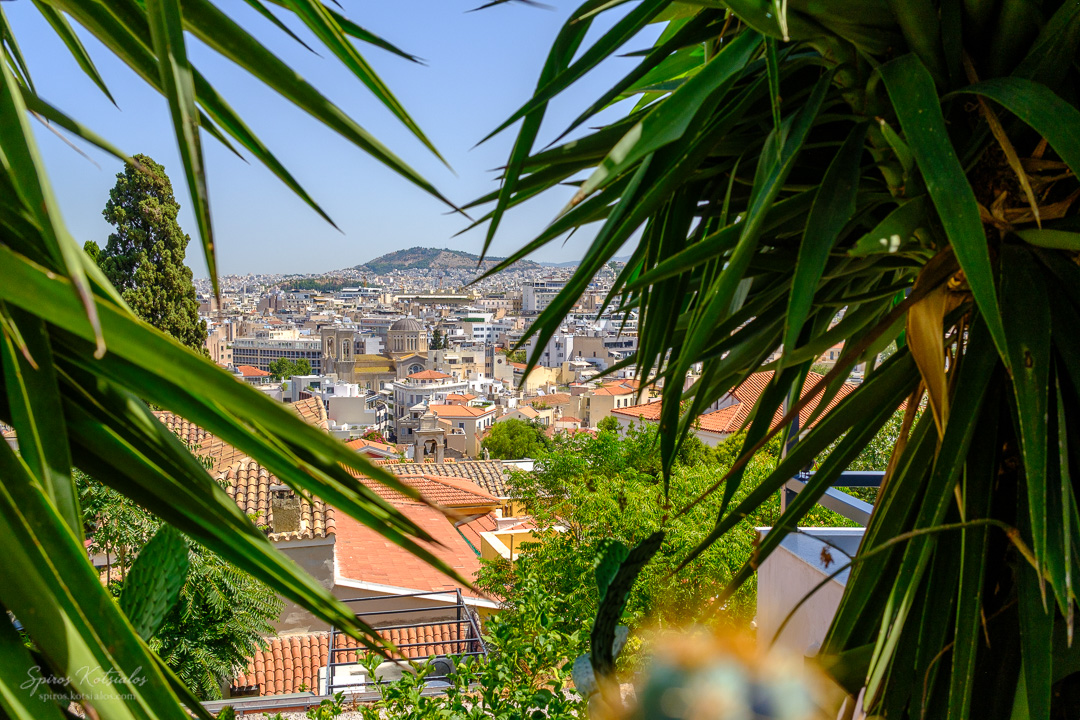
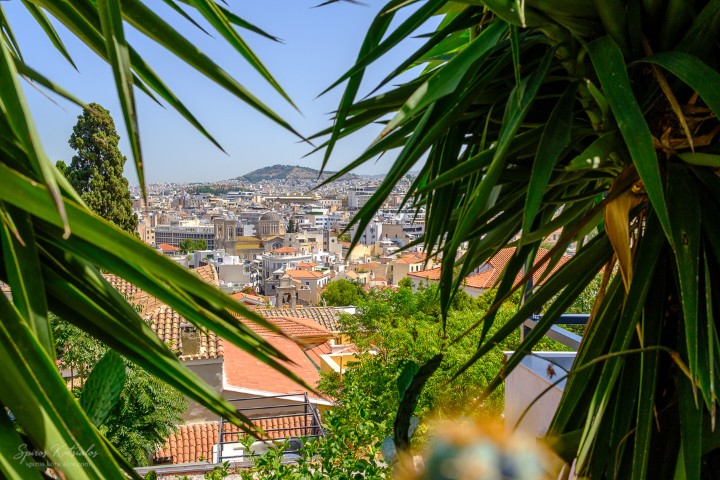
The light in Athens does not merely illuminate. It reveals and it conceals. To photograph this city requires an understanding of fos, the blinding Aegean light that casts shadows deep enough to hide centuries of history. Seeking to capture this, I booked a guided tour with Greece Photo Workshops. Our starting point was the very bedrock of Western civilization at the foothills of the Acropolis, where the ancient stones glowed against a cloudless sky.
My guide for the day was Ioanna. She is a local Greek photographer who arrived with a cheerful disposition and conspicuously empty hands. The absence of a camera on a photo walk struck me as an anomaly. Yet as we began our volta (the traditional leisurely stroll intrinsic to Greek life), her methodology became clear. She was not there to frame my shots or debate focal lengths. She was a navigator of urban currents. She possessed a seamless command of the labyrinthine streets, steering us effortlessly through the physical and temporal layers of the capital. The act of seeking out the frame was left entirely to me.
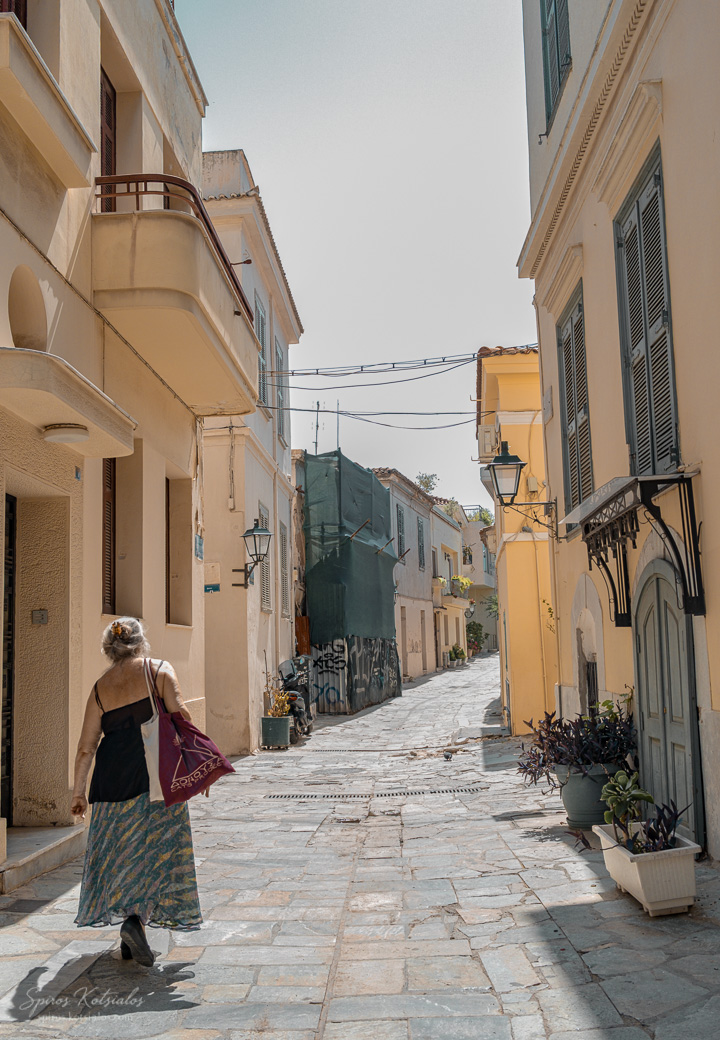
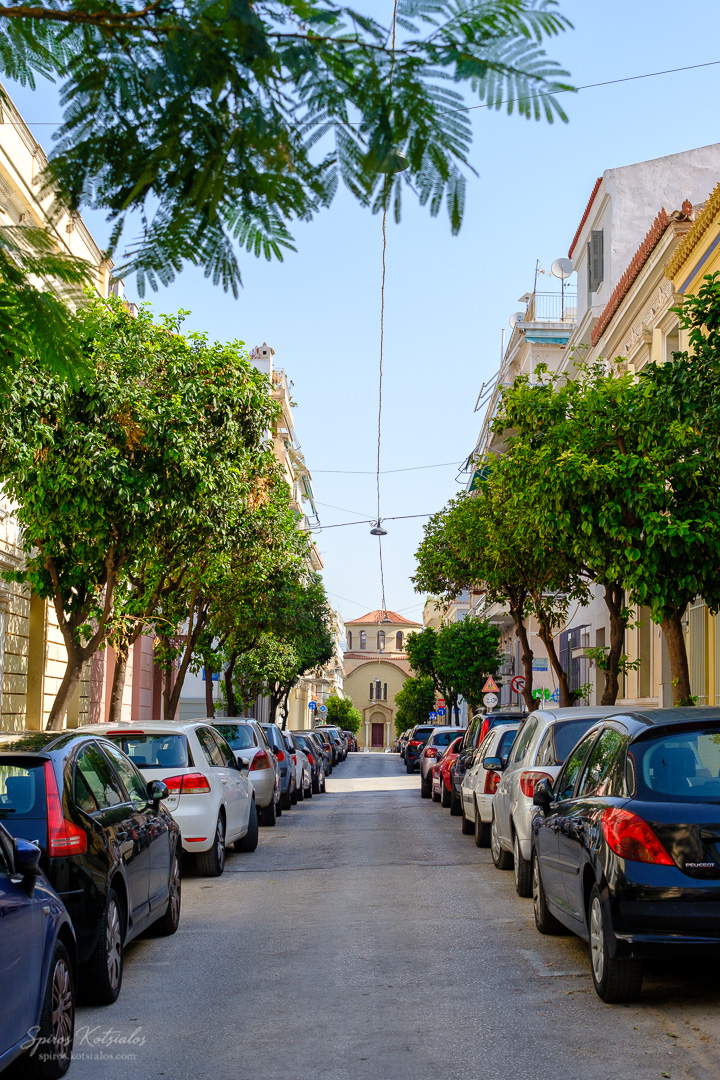
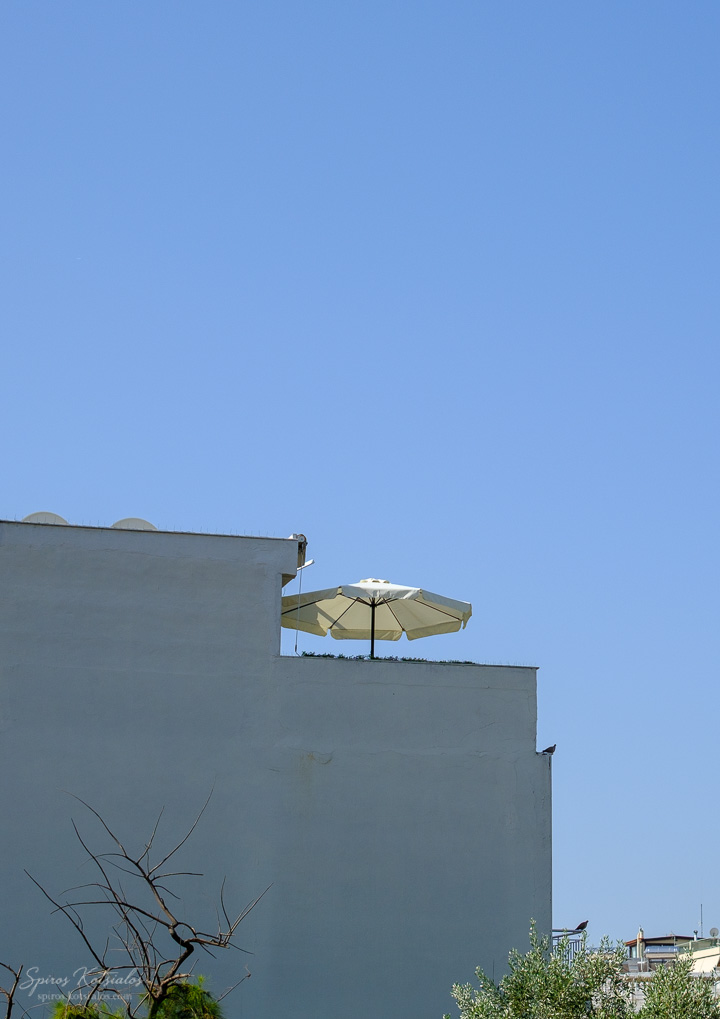
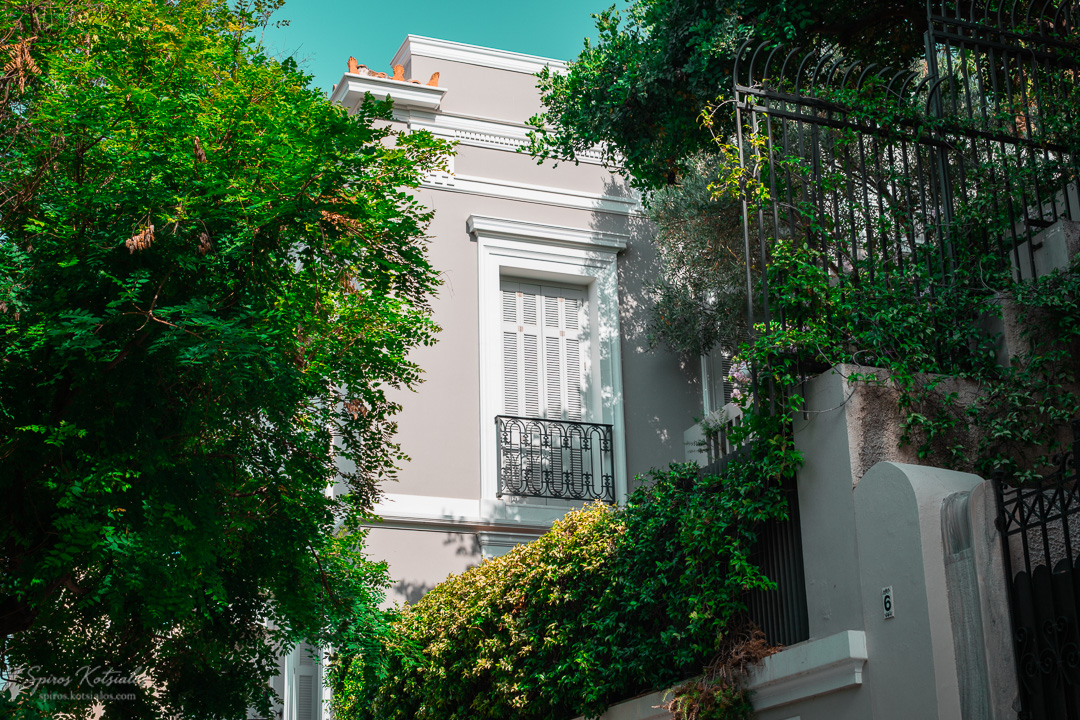
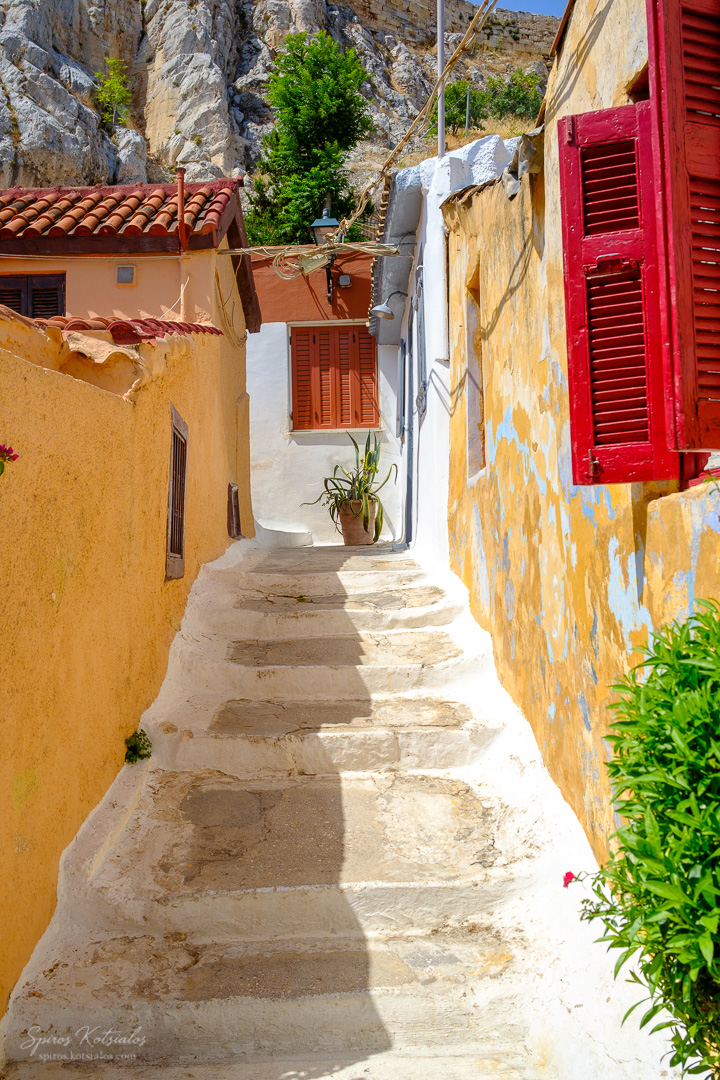
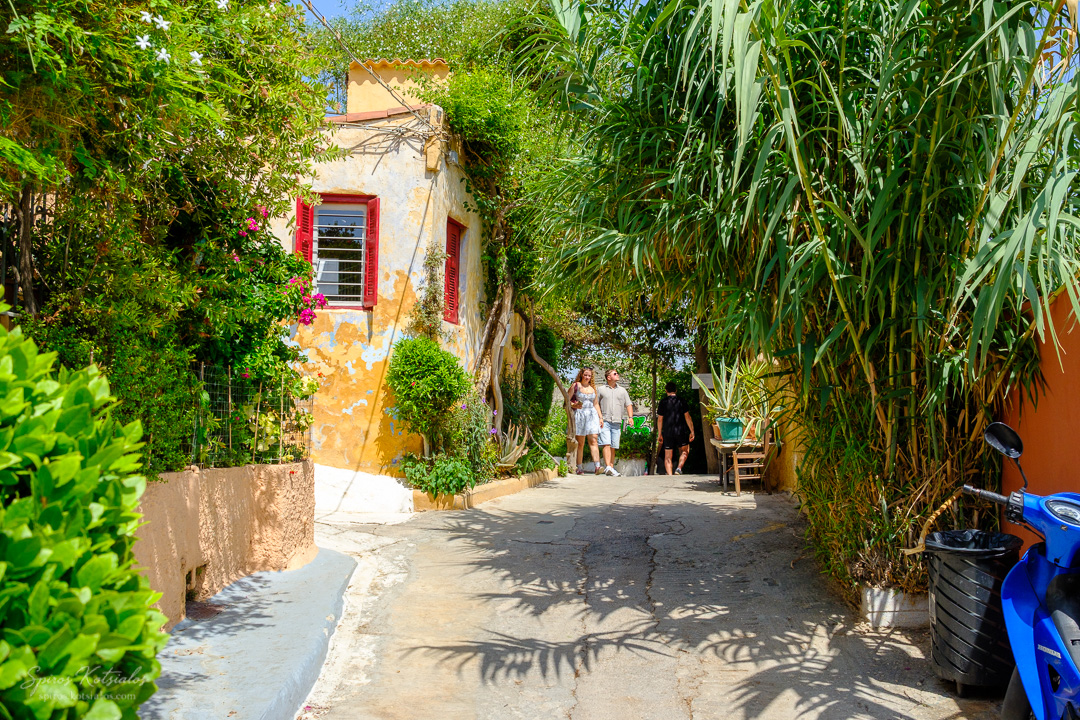
Our route described an uneven circle through the heart of the city. We moved from the bougainvillea-draped alleys of Plaka down into the commercial clamor of Monastiraki. Plaka is often dismissed as a tourist enclave, but it holds secrets for the observant. Beneath the neoclassical facades lie the remnants of Ottoman rule and Roman conquest. The transition to Monastiraki brings a jarring, wonderful friction. The ruins of Hadrian’s Library sit casually next to the Tzistarakis Mosque, which in turn looks out over a square teeming with teenagers and street vendors.
Looking back at the images I captured, I realise I succumbed to the modern traveler's anxiety of motion. I moved with undue velocity. Street photography requires patience, a willingness to become a fixture in the landscape until the perfect alignment of subject and geometry presents itself. I hunted the images instead of letting them come to me, missing the quiet moments that unfold when you simply stand still.
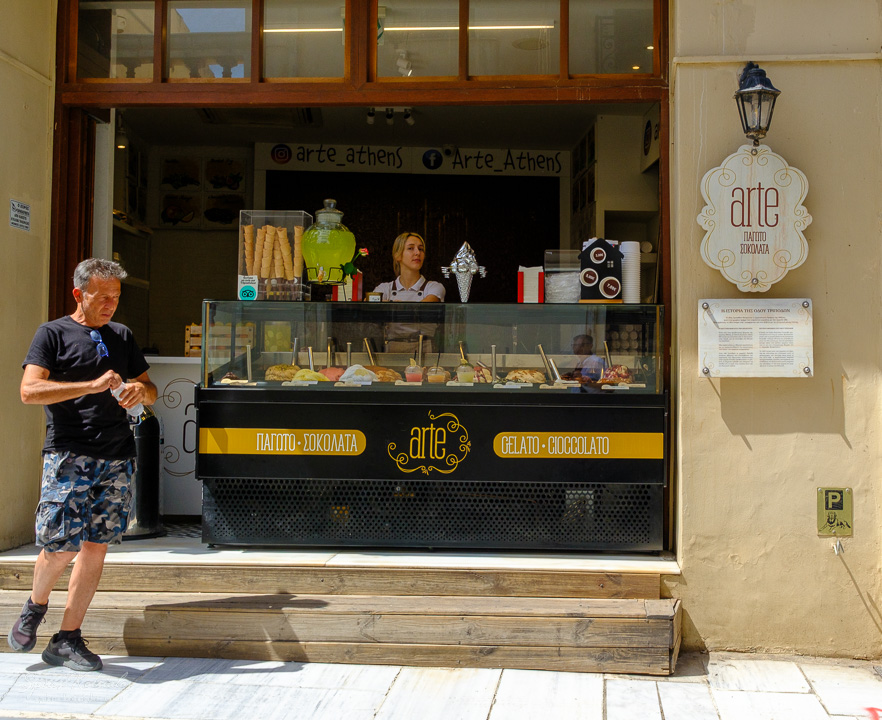
The Athenian sun is a subject of much hand-wringing among prospective visitors. It was a fiercely beautiful day, and the heat was undeniable, yet entirely manageable. The trick is to follow the local rhythm and seek out skia, the deep shade offered by narrow alleyways and broad canvas awnings. When the temperature climbed, there was always a reprieve available. You can pause for a glass of cold water, a frappe, or an ice cream, retreating into the cool interiors of shops before venturing back into the glare.
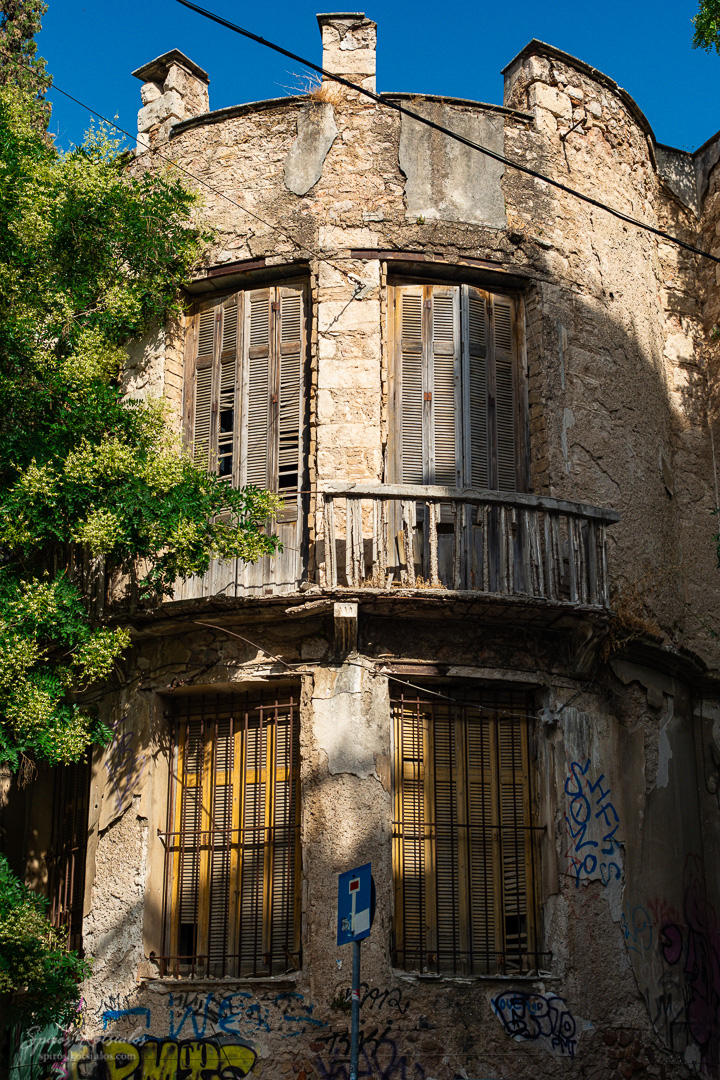
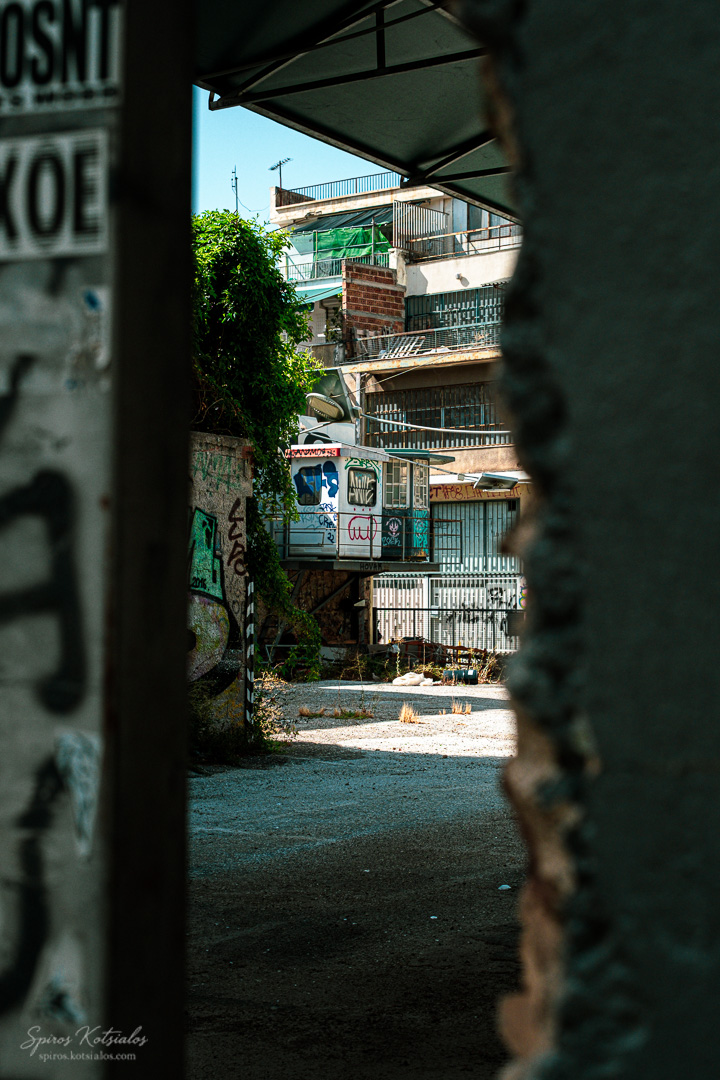
Nowhere is the city's antithesis (its love of profound contrast) more apparent than as you approach the Varvakios Central Market. Here, the polished veneer of the historic center falls away. Varvakios is a visceral, unapologetic temple of commerce that has operated continuously since 1886. Butchers in bloodied aprons shout their prices under harsh incandescent bulbs, and the air smells of iodine from the adjacent fish hall. Walking through these neighbourhoods, the economic realities of modern Greece are laid bare. You cross an invisible line and transition from million-dollar apartments to what looks like impoverished dwellings. You pass flash, high-design cafes that cater to digital nomads, and mere doors away you find a humble, smoke-filled kafeneio that looks as if it has anchored the corner for three hundred years.
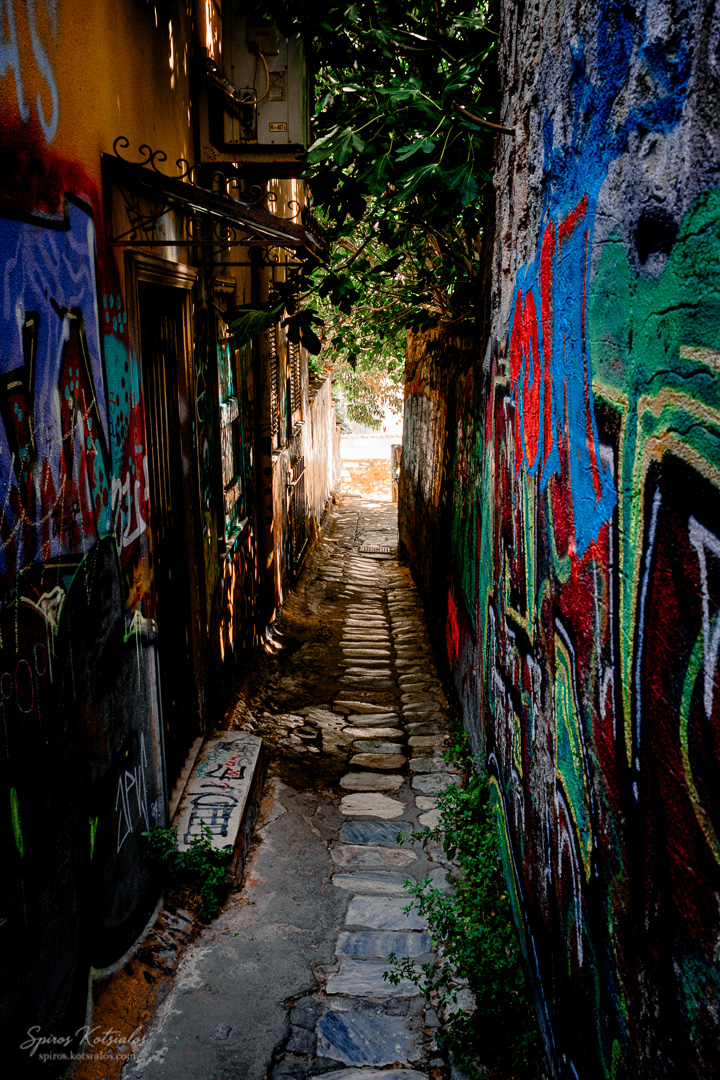
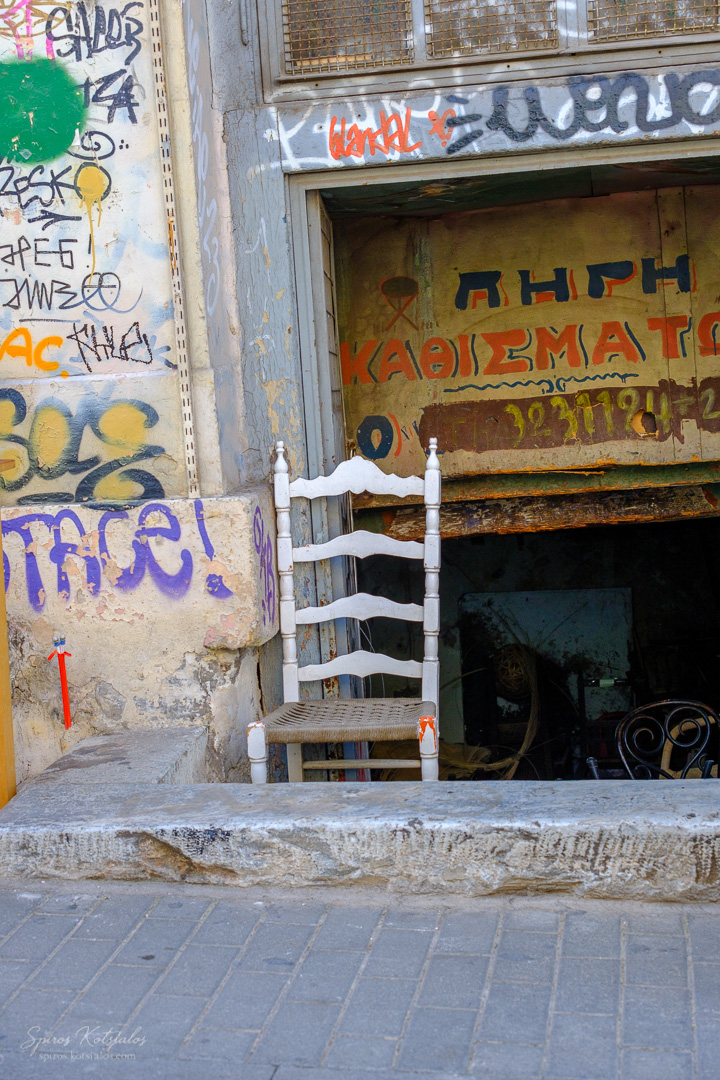
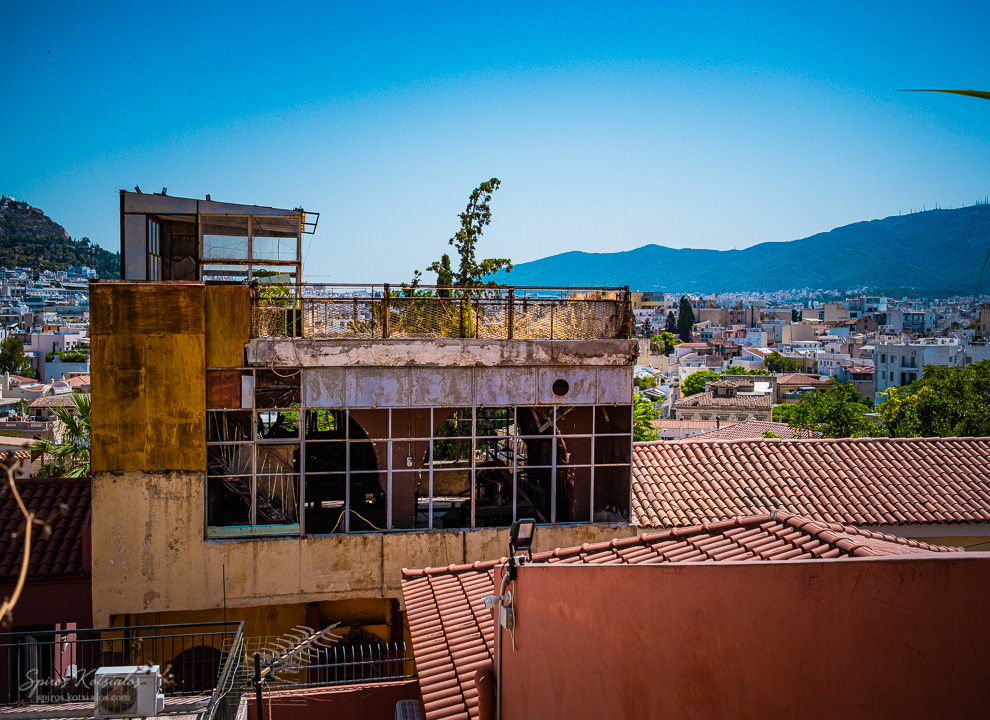
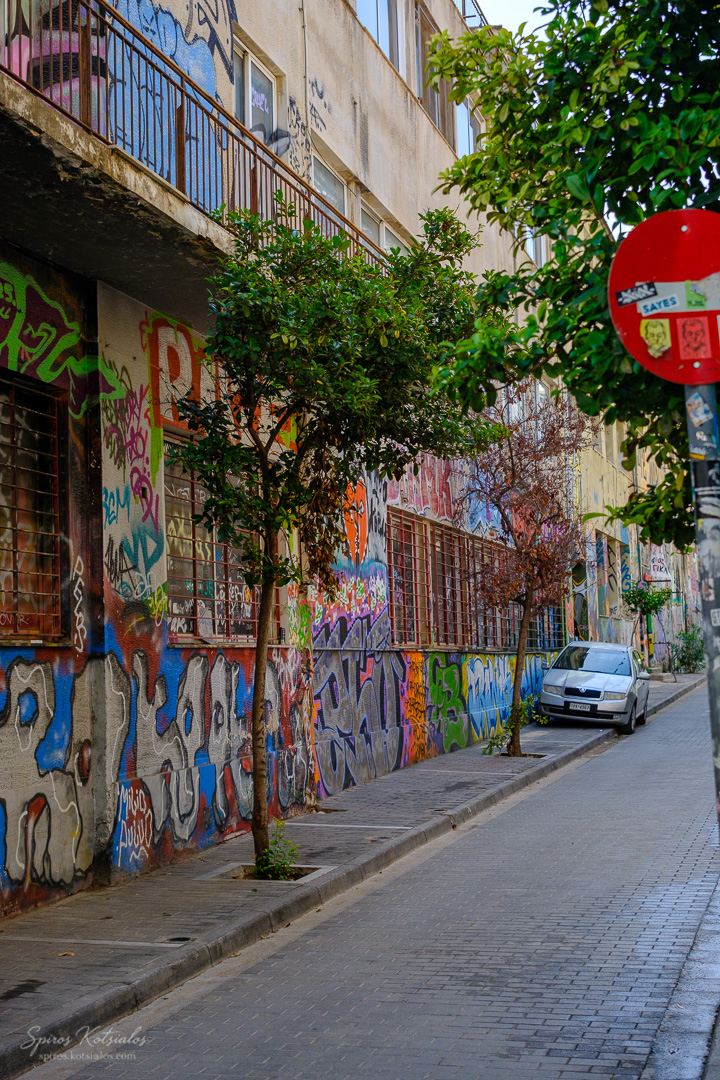
We looped back through Thiseio, named for the spectacular Temple of Hephaestus that dominates the skyline on a low tree-lined hill. The wide, pedestrianized promenades here offer a moment to breathe and process the visual density of the morning.
Navigating Athens requires a certain street literacy. The city is broadly safe, but like any major metropolis, the line between an inviting, vibrant district and a risky block can be exceptionally fine. The atmosphere can turn on the crossing of a single intersection. Engaging a local guide is something I thoroughly recommend for anyone visiting with a camera, even if that camera happens to be the one attached to your smartphone. A guide provides a buffer and a compass.
Athens rarely gets the credit it deserves as a modern, dynamic capital. It is too often treated as a dusty vestibule to the islands, a place to view ruins and quickly depart. To walk its streets with a lens is to discover a living, breathing metropolis where the ancient and the hyper-modern are locked in a perpetual, beautiful embrace.