
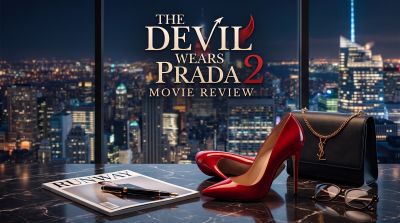
The Realities of the Runway
The opening moments of the comedy drama sequel to The Devil Wears Prada do not shy away from the grim reality of the modern publishing industry. The film begins with the familiar and sinking feeling of media redundancies, a creative choice that feels incredibly appropriate for the times. For anyone who has spent time working in the news media, watching the appearance of cutbacks happening on screen is a sharp and familiar reminder of the industry's volatile nature. It sets a surprisingly grounded tone for a franchise originally known for its glossy, untouchable exterior. The plot quickly pivots to show the inner workings of the news cycle and how a single misguided article can completely derail lives and businesses. This central challenge highlights the exhausting modern struggle of maintaining editorial quality versus the relentless desperation for clicks.
Where the original film leaned heavily into the fantasy of high fashion, this sequel offers a much needed dose of realism. The tension between a projected image and actual reality is explored with far more balance this time around. The producers have successfully matured the themes alongside the audience, allowing the comedy to breathe without undercutting the serious notes. Lucy Liu is an absolute class act in her role and brings a sharp, biting sophistication to the screen. There are attempts at romance, though the initial chemistry between the leads is somewhat lacking. Perhaps to an eye accustomed to the everyday reality of living in Australia, the male lead just appears very plain, making it difficult to buy into the immediate spark the script wants me to feel.
The script itself acts as a surprisingly dark time capsule for modern corporate culture. It perfectly reflects the deep seated insecurities of most people in the workplace today. It even takes a sudden, poignant turn to demonstrate that death can happen at any time, adding an existential weight that the first film entirely lacked. On a lighter note, the screenplay embraces current internet culture so fully that the word "slayed" is deployed with absolute sincerity. Hearing it delivered with such conviction must mean this word is now cemented into the common vernacular forever.
Aesthetically, the decision to move the primary overseas location to Milan is a great. Paris certainly had its charm in the original film, but I have always loved Milan over Paris. Italy is the definition of style. The sweeping shots of the Italian fashion capital provide a stunning backdrop that contrasts nicely with the gritty realities of the boardroom. The film manages to bridge the gap between high end glamour and corporate hustle in a way that feels almost nostalgic. It brought back fond memories of the fantastic Gen X classic The Secret of My Success with Michael J. Fox, capturing that same highly entertaining energy of trying to survive and thrive in a ruthless corporate machine.
Leaving the theater, one is left with a lingering wish that real journalism was still a dire need and not just a cinematic fairy tale. The movie makes you realise that the industry desperately needs something to bring the value back and have people championing real journalists. What publishing really needs right now is the equivalent of a "Drive to Survive" but for journalism, to remind the public of the stakes involved in reporting the truth.
In the end, this sequel manages the rare feat of being on par with, if not genuinely better than, the original. It delivers the fashion and the sharp dialogue we expect but roots it in a story that actually matters.
3.5 / 5